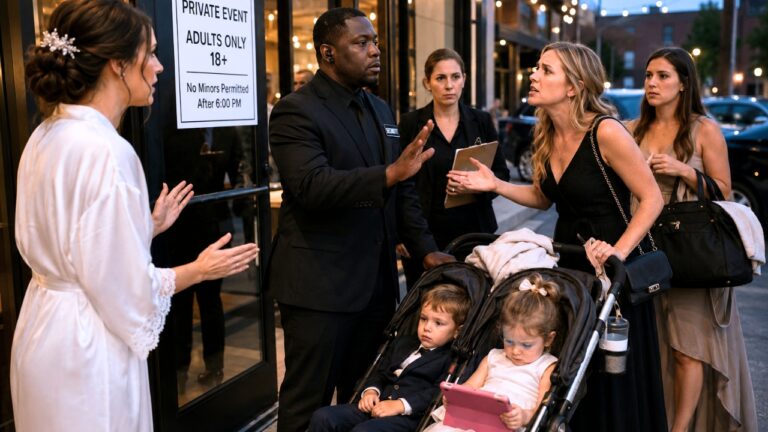
Bride Found Out Her Stepmom Had Invited Extra Guests — Then She Reworked the Seating Chart Without Them
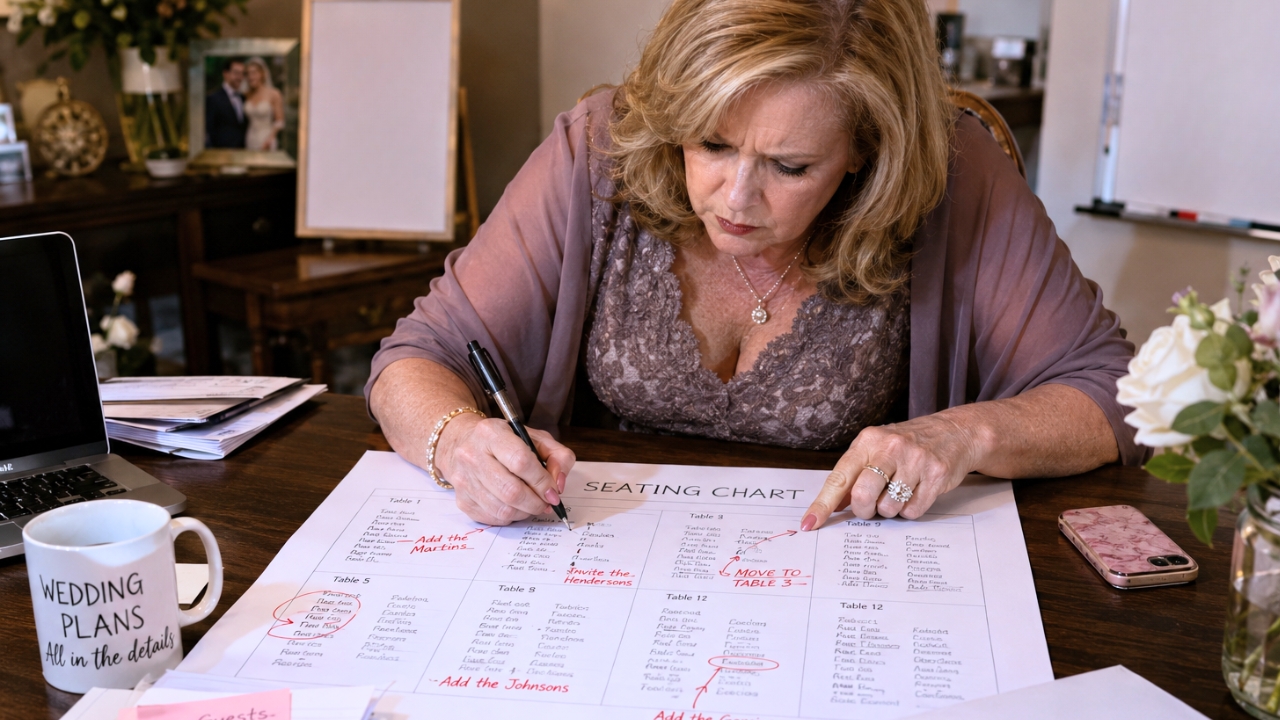
Three weeks before her wedding, the bride thought she was down to the last stressful details: final dress fitting, confirming the shuttle, and locking the seating chart so the catering numbers wouldn’t change again. Then a cousin casually mentioned she’d heard two “extra families” were coming—people the bride didn’t recognize and hadn’t approved.
At first, she assumed it was a misunderstanding. But when she checked the shared planning spreadsheet and the vendor count emails, the numbers didn’t line up. Someone had added names that weren’t on the original guest list, and the additions were clustered under her stepmother’s side.
The guest list was already a tight math problem
The wedding was scheduled for a small restored barn and garden space that capped the reception at 120 people, including vendors and the band. The bride and her fiancé had chosen it specifically because it forced them to keep things intimate and within budget. Every seat had a cost, and every added plate meant reworking table sizes, rentals, and the final invoice.
They’d already had tense conversations with both families about limits. The couple was paying for most of it themselves, with a modest contribution from her dad that was earmarked for the bar package. They’d made it clear: no plus-ones without names, no last-minute invites, and no “surprise guests.”
But when the bride pulled up the RSVP tracking and cross-checked it against the stepmother’s texts, there were names that had never been discussed. A few had “yes” responses attached, which meant someone had given them access to RSVP details or had told them directly they were welcome.
How she found out her stepmom had extended invitations
The bride called her dad first, expecting he might know. He didn’t. He sounded confused, then frustrated, and said he’d talk to his wife. Within an hour, the stepmother messaged the bride with a breezy explanation: she’d “filled a couple empty spots” with friends from her social circle and a distant relative the bride “would want to reconnect with.”
It wasn’t framed as a request. It was presented like a done deal. The stepmother argued that weddings were about “community” and insisted the couple would barely notice a few extra people.
The bride didn’t just notice. She saw the ripple effects immediately: the caterer’s final headcount deadline was in four days, the rental company required updated quantities to avoid rush fees, and the venue manager had already warned them that exceeding capacity could end the night early. The seating chart was the only thing still flexible enough to absorb changes, and even that was reaching its limit.
The seating chart became the battleground
Rather than argue in circles, the bride opened her seating chart software and made a blunt decision. She removed the extra names entirely and rebuilt the tables as if those invitations had never happened. She also forwarded the updated headcount to the planner and caterer with a note that only the couple could approve further changes.
Then she took the next step: she reached out to the venue coordinator and asked them to put a hard check at the door. The venue already planned to have a staff member handle arrivals; now they’d be working from a printed list that matched the couple’s final RSVPs. Anyone not on it would be directed to the stepmother, not the bride.
That part mattered to her. She didn’t want to spend her wedding day negotiating with strangers in formalwear. She wanted the awkwardness to land on the person who created it, not on her and her fiancé.
The stepmother responded quickly when she realized the names were gone. The messages shifted from casual to accusatory, calling the bride ungrateful and insisting the “extra guests” had already bought outfits and arranged childcare. She also warned that turning people away would “make the family look bad.”
Money, capacity limits, and a bigger control issue
The couple’s frustration wasn’t just about etiquette. It was financial. Each additional guest meant another dinner, more drinks, more linens, more place settings, and potential extra staffing. The bride had the invoices to prove it, and she didn’t want to start her marriage by eating hundreds of dollars because someone else wanted to play host.
It also raised a safety and logistics concern. The venue’s occupancy rules weren’t flexible, and the couple had a shuttle schedule that assumed a fixed number of people. Adding bodies meant changing transport plans, creating longer lines at the bar, and increasing the chance of bottlenecks around the bathrooms and exits.
Underneath all that was the personal issue the bride couldn’t ignore: her stepmother was making decisions that weren’t hers to make. The bride had dealt with smaller versions of it before—rearranging holiday plans, pressuring her to invite certain people to graduation, “helpfully” overriding choices with vendors. This time, the stakes were higher and the deadline was real.
Her dad tried to mediate, offering to cover the extra plates. That didn’t solve the capacity and control problems, and it didn’t address the fact that the couple hadn’t consented. The bride told him she wasn’t interested in paying for, hosting, or being introduced to surprise attendees on one of the most personal days of her life.
Commenters focused on documentation and preventing day-of chaos
When the bride later described the situation to friends and in group chats, the advice was surprisingly consistent: lock everything down and put it in writing. People urged her to email every vendor confirming that only she and her fiancé could authorize changes, especially if the stepmother had been copied on earlier planning messages.
Several people suggested setting up a point person—someone calm, assertive, and not emotionally entangled—to handle any boundary issues on the day. Some recommended a cousin with a no-nonsense personality; others suggested paying for a professional day-of coordinator and explicitly instructing them to handle uninvited arrivals.
Others warned her to protect the seating chart itself. If the stepmother had access to planning tools, she could re-add names or reshuffle assignments at the last minute. The bride changed passwords, removed shared access, and saved a PDF version of the final chart so she could hand it to the venue and the planner without anyone “fixing” it behind her back.
A few people also pointed out a practical angle: if the uninvited guests showed up anyway, the venue’s staff might feel pressured to let them in to avoid a scene. That’s why the check-in list and a clear directive were important. In some places, venues will only enforce the list if the host explicitly asks them to, which the bride now had in email.
The family tension didn’t end, it just moved closer to the date
In the following days, the stepmother tried a different approach. She offered to “seat them at the back” and claimed they wouldn’t need dinner, just cake and drinks. The bride saw that for what it was: another way to slip people past the boundary and dare the couple to be the bad guy.
Her dad asked the bride to reconsider to “keep the peace.” She didn’t budge. She told him she’d rather deal with discomfort now than spend her wedding day anxious about who might walk in and what else might change without her consent.
The last update the bride shared with close friends was that the guest list had been finalized, vendors had been notified, and the venue had agreed to a strict door check. Whether the stepmother would back down or try to bring the extra guests anyway was the one thing no one could guarantee. But with the chart rewritten, the headcount locked, and the entry list printed, the bride had done what she could to keep her wedding from turning into someone else’s event.