Bride Didn’t Invite the Mom Who Ignored Her for Years — Then the Family Called Her Cruel
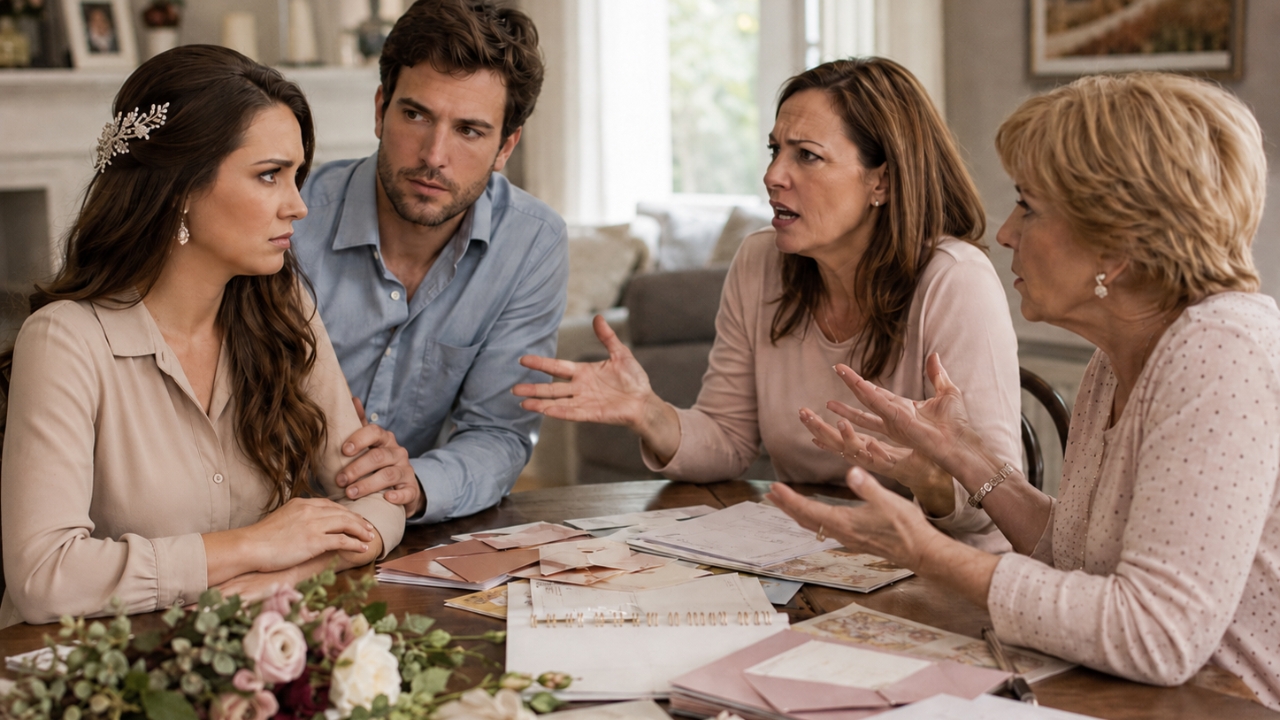
Photo credit: Thrivegirly
When the invitations went out, the bride’s guest list looked carefully balanced: close friends, supportive relatives, and the handful of people who had shown up consistently over the years. One name wasn’t there at all—her mother’s. That single omission turned wedding planning into a family crisis almost overnight.
The bride, a woman in her late 20s, had been planning a small ceremony at a local event space with about 70 guests. She and her fiancé had already paid deposits, arranged catering, and booked a photographer. They’d also chosen to keep the day calm and predictable, after years of feeling like she had to brace for disappointment around family milestones.
Years of silence added up to something harder than hurt feelings
According to the bride, the distance wasn’t based on one argument. It was the slow accumulation of unanswered calls, missed birthdays, and holidays where she’d get a vague message days later, if anything at all. The pattern started when she was in college, and after a while, she stopped expecting follow-through.
She described a mother who could be highly social in public but absent in private—posting about family values while ignoring her daughter’s attempts to reconnect. When the bride graduated, her mother didn’t come. When she moved apartments twice, she got no help, no check-ins, no questions about her safety.
Things became more concrete a year earlier when the bride was briefly hospitalized for a serious infection. A cousin told her mother, and still there was no call. That was the moment she said something in her shifted from “maybe someday” to “this is the relationship.”
The wedding brought expectations back to the surface
When the bride got engaged, she didn’t make a big announcement to her mother. She told her grandmother and siblings first, then shared the news more broadly. Word reached her mother within days, and the bride received a short text that didn’t ask any questions about the engagement or wedding date.
The bride and her fiancé agreed they weren’t going to use the wedding as a forced reunion. She didn’t want to spend the day scanning the room for a person who might not even show up, or worrying about a scene if the attention wasn’t exactly right. So when the time came to finalize the guest list, she simply left her mother off.
Her mother found out the way many people do now: through a relative who mentioned travel plans and the venue. Within hours, the bride started getting calls from family members asking if it was a mistake. She said no, it was intentional, and she thought that would be the end of it.
The backlash wasn’t quiet—and it didn’t stay private
Instead, the pressure escalated. A few relatives told her she was being “cruel” and “punishing” her mother. The bride tried to keep it simple: she wasn’t punishing anyone, she was protecting her own day. But the relatives weren’t just expressing an opinion; they were pushing for a reversal.
Her mother began contacting extended family, framing the situation as a shocking betrayal. The bride heard that her mother had been saying she was “blindsided,” and that she’d done her best but didn’t know why her daughter was acting this way. That version of events made the bride feel like she was being erased all over again.
Then came the practical interference. The venue called to confirm that only the couple could make changes after someone attempted to ask about the timeline and seating. The caterer received an email asking whether there were “special accommodations for family.” Nothing was changed, but it was enough to unsettle the bride, who realized people might try to muscle their way into decisions.
She and her fiancé added a password with each vendor and had the venue flag the booking. It felt extreme, but she said it was the first time she’d felt in control of something involving her mother in years.
The bride tried one last boundary, and it turned into a new fight
With family members insisting she “at least talk to her,” the bride agreed to one phone call. She set it up as a short conversation and told her fiancé she wanted to keep it focused: either her mother could acknowledge the years of absence and accept the boundary, or there was nothing to negotiate.
On the call, her mother reportedly focused on the optics—what people would think, how embarrassing it would be, how it would “look” to have the mother of the bride missing. The bride waited for any mention of the missed graduation, the hospital stay, or even a simple apology. She didn’t get one.
When the bride repeated that she wasn’t changing the guest list, her mother’s tone shifted to anger. A relative later warned the bride that her mother was “not going to accept this.” That message landed like a threat, even if it wasn’t phrased as one.
At that point, the bride stopped engaging. She blocked her mother’s number and told her siblings she wasn’t going to keep litigating her childhood while trying to choose centerpieces. The siblings were split—one supported her fully, another said she should “keep the peace.”
Commenters focused on proof, planning, and preventing a scene
People who heard the story tended to zero in on the same question: if the mother ignored her for years, why would she suddenly care now? Many pointed out that weddings can trigger a scramble for attention, photos, and family status, even when the underlying relationship is hollow.
A common practical suggestion was documentation. Save the missed-message history, keep screenshots of vendor contacts, and put everything in writing with the venue about who is authorized to make changes. Others recommended hiring security or assigning a trusted friend to be the point person if an uninvited guest shows up.
Some also urged the bride to prepare emotionally, not just logistically. The family might keep pressuring her right up to the wedding day, especially if they believe a last-minute guilt push will work. People advised her to rehearse one neutral line and repeat it without debate, because the more she explained, the more openings relatives would look for.
There was also concern about the mother trying to show up anyway. The bride’s friends encouraged her to speak directly with the venue coordinator about a do-not-admit list, and to make sure staff know who can approve entry. It’s not a romantic detail of wedding planning, but it’s the kind of thing that can save the day.
The hardest part was realizing the family wanted a picture, not peace
As the wedding approached, the bride found herself watching relatives choose sides in subtle ways. One aunt stopped responding to planning questions. A cousin who had promised to help with decorations backed out, saying she “didn’t want to be in the middle.” Her grandmother asked her to reconsider “for the family,” even though the bride felt like she’d been alone in that family for a long time.
The bride and her fiancé quietly adjusted their plans. They moved some pre-wedding events to smaller settings, shared fewer details about the schedule, and made sure their wedding party knew what was happening. They weren’t trying to start drama; they were trying to prevent it.
In the end, the bride didn’t change her decision. She kept the invitation list as it was and focused on the people who had consistently shown up for her. The tension didn’t disappear, but the boundary held, and the wedding became less about who was missing and more about who was truly there.