Woman’s Parents Wanted Baby Visits on Their Terms — Even When It Made Everything Harder

Photo credit: iPoguz/Shutterstock.com
A new mom said she stopped taking her baby to her mother’s house because every visit became stressful, exhausting, and harder than simply staying home.
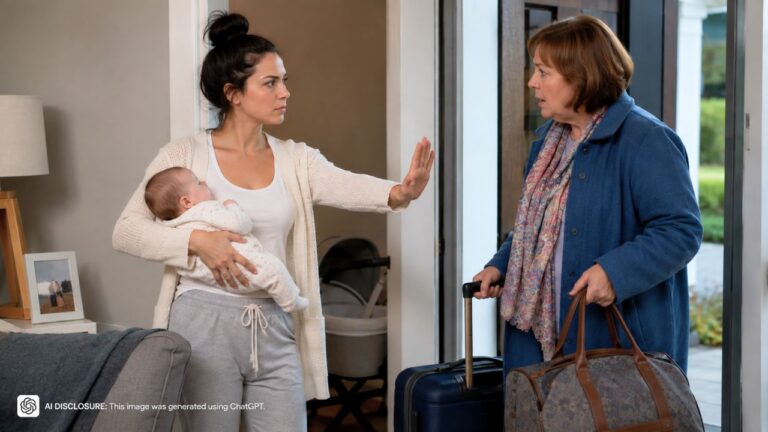
The woman shared the situation on Reddit, explaining that she had a baby and was trying to manage the early months of motherhood while also keeping family relationships intact. Her mother wanted to see the baby, but the visits came with a problem: she wanted the poster to bring the baby to her.
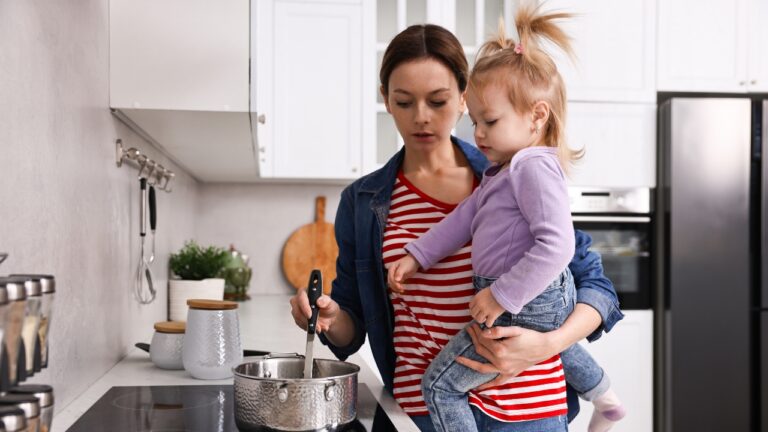
That might sound simple to someone who has not packed up an infant for a visit. But the poster said taking the baby to her mother’s house was not easy. Babies come with bags, bottles or nursing needs, diapers, extra clothes, sleep schedules, feeding times, and all the little things that can turn a short visit into a full production.
For the poster, it was easier for her mother to come to her house. The baby’s things were there. The routine was there. If the baby needed to nap, eat, be changed, or settle down, everything was already in place. But her mother still seemed to expect the poster to make the trip.
Eventually, the new mom decided she did not want to do it anymore.
She brought the situation to Reddit in a post titled “AITA if I won’t visit my mom with my baby?”: https://www.reddit.com/r/AmItheAsshole/comments/1iydgxy/aita_if_i_wont_visit_my_mom_with_my_baby/
The emotional conflict was not simply about distance or transportation. It was about whose comfort kept mattering most.
The poster was the one recovering, parenting, packing, loading the baby, driving, managing the visit, and then bringing the baby home again. Her mother was the one asking for access but expecting the new mom to do the work of making it happen.
That is a familiar frustration for many parents with babies. Relatives say they want to see the child, but they do not always consider what the trip costs the parent. A visit might be fun for Grandma, but it can throw off naps, feeding, mood, and the rest of the day for the person actually caring for the baby.
The poster did not seem to be saying her mother could never see the baby. The boundary was more specific: she did not want to keep taking the baby to her mother’s house when it made everything harder. Her mother could come to them, or they could find another arrangement that worked better for the parent and child.
That distinction matters. Saying “I can’t keep making this trip” is not the same as saying “you can’t have a relationship with my baby.” But families often hear boundaries as rejection, especially when they are used to the new parent bending.
The hardest part for the poster was likely the guilt. Grandparents can make a new mom feel like she is withholding the baby if she does not show up on demand. They may say they miss the child, complain they never get time, or act hurt when visits do not happen exactly how they want.
But wanting to see a baby does not automatically mean the baby’s mother has to rearrange her entire day to make that possible.
The issue also raised a bigger question about support. If a grandparent truly wants to help, coming to the new parent’s home is often more helpful than demanding travel. A visit can include bringing a meal, holding the baby while the mother showers, folding laundry, or simply sitting with the mother in her own space. But when the parent has to pack up and go elsewhere, the visit can feel less like help and more like another obligation.
For the poster, stopping the visits to her mother’s house appeared to be about protecting her energy. Early parenthood already demands so much. She did not want to keep adding a difficult trip just to satisfy someone else’s preferred version of access.
Her question to Reddit came down to whether she was wrong for expecting her mother to meet her where life was actually happening, instead of expecting the baby and mother to keep coming to her.
Commenters largely understood the poster’s frustration and said she was not wrong for setting limits around visits.
Many said traveling with a baby is much more work than some relatives remember or realize. Commenters pointed out that the person without the infant usually has an easier time making the trip, especially if the baby’s routine and supplies are all at home.
Several people said the mother could come to the poster if she wanted to see the baby badly enough. To them, the issue was not whether Grandma should get visits. It was whether Grandma’s convenience should matter more than the baby’s routine and the new mom’s energy.
Others encouraged the poster to stop framing the boundary as a debate. Instead of arguing, she could simply say, “That doesn’t work for us, but you’re welcome to come here at this time.” That gives an option without surrendering the boundary.
Some commenters also warned that if the poster kept making every visit happen on her mother’s terms, the pattern might continue as the baby grew. Holidays, birthdays, weekends, and family events could all become another round of pressure unless expectations were reset early.
A few people thought the poster could compromise occasionally, especially if her mother had health, transportation, or mobility issues that made visiting difficult. But most agreed that regular visits should not fall entirely on the person caring for the baby.
The strongest advice was for the poster to protect the routine that worked best for her child and household. Her mother could be disappointed, but disappointment did not mean the new mom was doing anything wrong.
By the end of the discussion, the message was clear: access to a baby should not require the mother to make life harder every time. If relatives want to be part of the baby’s life, they can also make the effort to meet the new family where they are.