Homeowner Found a Neighbor’s Water Line Running Through His Yard — Then the Repair Fight Got Complicated
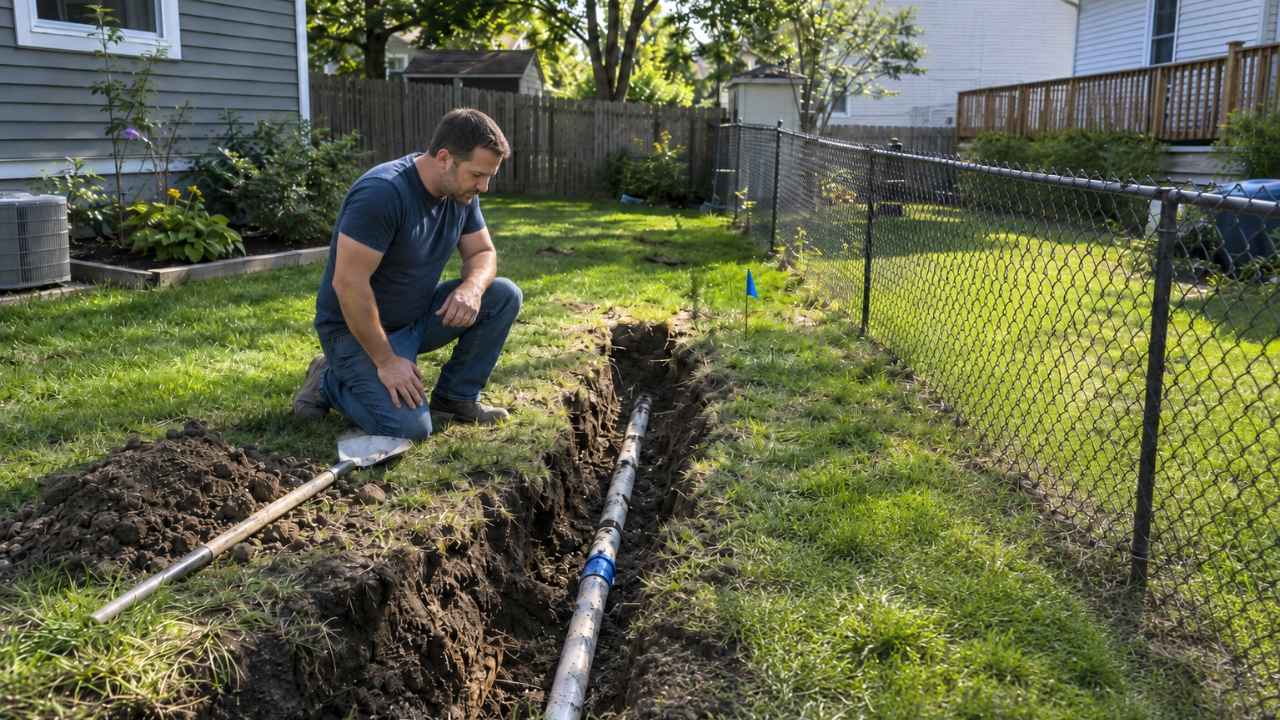
Photo credit: Thrivegirly
A homeowner who had been dealing with a strange water problem said the situation started with a basic question: why was there a water line on his property that seemed to belong to someone else?
The line appeared to serve a neighbor’s home, but it ran through the homeowner’s land. That alone was enough to raise concerns. Underground utilities are not something most people think about until there is a leak, a repair, or a property project. Then suddenly, the exact location of every line, easement, and boundary matters.
The homeowner did not know whether the line had been installed legally, whether there was an easement, or whether some previous owner had allowed it casually years ago. But he did know one thing: the line was now creating a problem on his property.
That made the responsibility question hard.
If the neighbor’s water line was leaking or needed repair, who had to pay? The neighbor who used the water? The homeowner whose land the pipe crossed? The utility company? A previous owner? It was not the kind of thing that could be solved with a shrug, because digging up a yard and repairing underground pipe can get expensive fast.
According to the Reddit post, the homeowner began asking what his options were after discovering the neighbor’s water pipe crossed his property and needed attention. The issue quickly became bigger than a simple repair because the pipe’s location raised legal and practical questions about property rights, easements, and access.
Commenters urged him not to let anyone dig up the yard casually without confirming the legal situation first. If the neighbor or utility company had a recorded easement, then there might be rules about access and repair. If there was no easement, then the pipe might be an unauthorized encroachment, which could change the conversation completely.
The homeowner needed documents.
That meant checking the deed, property survey, title records, and any utility easements. He also needed to contact the water company and possibly the city or county to find out whether the line was part of an official setup or a private arrangement between past owners.
The neighbor’s position was understandable in one sense. They needed water service and probably had no idea the line might become a dispute. But the homeowner also had a fair concern. If someone else’s utility line was buried under his land, he needed to know what rights they had and what risks he was carrying.
For example, if the line failed again, would his yard keep getting torn up? If he wanted to build, landscape, fence, or sell the property, would the pipe create problems? If the pipe caused damage, who would be responsible?
Those questions made the situation more than a neighborly favor.
The updates showed the homeowner trying to untangle the practical side from the emotional side. Nobody wanted to cut off a neighbor’s water or create needless conflict, but ignoring the problem could leave him stuck with future costs and complications.
The right solution depended on paperwork. If the line had a legal easement, the homeowner might have to allow access but could still insist repairs be done properly and the yard restored. If there was no recorded right, the neighbor might need to reroute the line, negotiate an easement, or take responsibility for fixing whatever was wrong without treating the homeowner’s property like public ground.
The whole conflict carried that uniquely frustrating property-dispute feeling: something buried decades earlier suddenly becomes your problem, even if you had nothing to do with putting it there.
By the end, the homeowner seemed to understand that he could not solve the issue with assumptions. He needed the pipe located, the documents checked, and the responsibilities confirmed before agreeing to anything.
Because once a neighbor’s utility line runs through your yard, the question is not only how to fix it today. It is how to make sure today’s fix does not turn into tomorrow’s permanent headache.
Commenters told the homeowner to start with the paperwork. Many said a survey, title report, deed, and easement search would matter more than anyone’s memory of how the pipe got there.
A lot of readers warned him not to let the neighbor or contractors start digging until the legal right to access the yard was clear. Even if the repair was urgent, they said, he needed a written understanding of who was responsible for the work and restoration.
Several commenters also said the homeowner should contact the water utility directly. If the line was part of an official utility setup, the company might have records or rules that clarified who owned and maintained it.
The strongest reaction was that being reasonable did not mean being careless. The homeowner could avoid being cruel to a neighbor while still protecting his property, documenting the situation, and refusing to absorb costs for a water line he did not install or use.