Someone Claimed Her Child Was Entitled to Part of an Estate — Then the Family Pointed Out One Impossible Detail
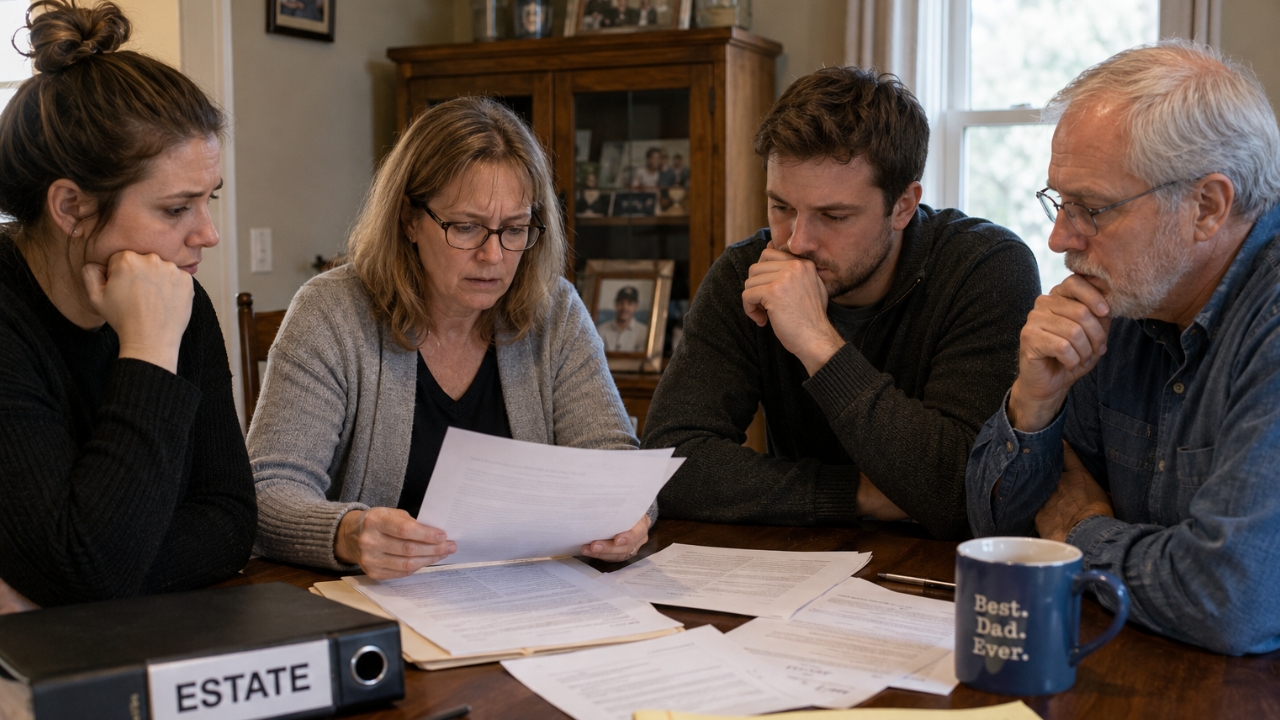
A woman grieving her father’s death said the family was already dealing with enough: funeral arrangements, estate questions, emotions running high, and the slow exhaustion that comes after losing a parent.
Then a stranger came forward with a claim that made everything even messier.
The woman explained that after her father died, someone contacted the family saying her child was entitled to part of his estate. The claim was serious enough to rattle everyone, because if it were true, the estate might need to be handled differently. Inheritance issues can get ugly even when everyone knows who the heirs are. Adding a surprise child claim after a death can throw the whole family into confusion.
At first, the family did not dismiss it outright. They wanted to understand what the woman was claiming, when the child was supposedly conceived, and how she believed the child was connected to the deceased father.
But the timeline quickly became a problem.
According to the Reddit post, the woman claimed her child was the deceased man’s child. That would have made the child a potential heir. But the family realized there was one glaring issue with the story: the dates did not work.
The child had been conceived after the father was already dead.
That detail changed the entire situation. The claim was not simply unlikely or emotionally inconvenient. It was biologically impossible unless the family was missing some major information, like stored genetic material or fertility treatment, neither of which fit what they knew.
The family began pressing for proof. If someone was going to make an estate claim involving a deceased person, especially one that could affect inheritance, then feelings and vague statements were not enough. There needed to be documentation, a clear timeline, and legal support.
The claimant’s story did not become clearer.
Instead, it seemed to raise more questions. The woman appeared to expect the family to treat her child as an heir without providing the kind of evidence that would make such a claim credible. That put the grieving family in an awful position. They did not want to be cruel to a child or dismiss someone if there was some hidden truth they did not know. But they also could not let a stranger insert herself into the estate based on a story that did not make sense.
The poster and her family began treating the matter as a legal issue rather than an emotional one. That was the safest move. Estate disputes are not the place for informal promises, hallway arguments, or guilt-based decisions. If someone claims a child has a right to inherit, that claim belongs with attorneys and proper evidence.
The situation also created a strange emotional whiplash. The family was grieving a man they loved, and suddenly they had to defend his estate from a claim that sounded impossible. Instead of only mourning, they were checking dates, discussing paternity, and trying to figure out whether someone was confused, manipulative, or being misled by someone else.
As the updates unfolded, the family continued pushing the basic fact: the timing did not support the claim. The claimant could not simply say the child was his when the pregnancy timeline showed otherwise. If she wanted the estate to recognize the child, the burden was on her to prove something extraordinary.
The family’s response was not to harass her or make public accusations. It was to keep the matter in legal channels and protect the estate until facts were established. That was especially important because once money, grief, and inheritance collide, even a bizarre claim can become stressful if people are not careful.
By the end, the family seemed clearer about where they stood. They were not responsible for solving the claimant’s story for her. They were responsible for protecting the estate and making sure any legitimate claims were handled properly.
The impossible timeline became the anchor. Without a believable explanation for how a child conceived after the man’s death could be his, the claim had nowhere solid to stand.
Commenters were immediately skeptical once the timeline came out. Many said the family needed to stop engaging emotionally and let an attorney handle everything.
A lot of readers pointed out that estate claims require proof. Someone saying a child is entitled to inheritance does not make it true, especially when the conception dates do not line up.
Several commenters warned the family not to give money, sign anything, or make informal agreements “just to be nice.” They said even a small payment could muddy the waters if the claimant later tried to argue the family had acknowledged her child’s connection to the estate.
Others had sympathy for the child, who had no control over whatever the adults were claiming. But commenters were clear that sympathy did not mean the estate should be opened to an impossible claim without evidence.