Homeowner Found Stolen Items at a Pawn Shop Less Than 24 Hours After the Break-In — Then Had to Figure Out How to Get Them Back
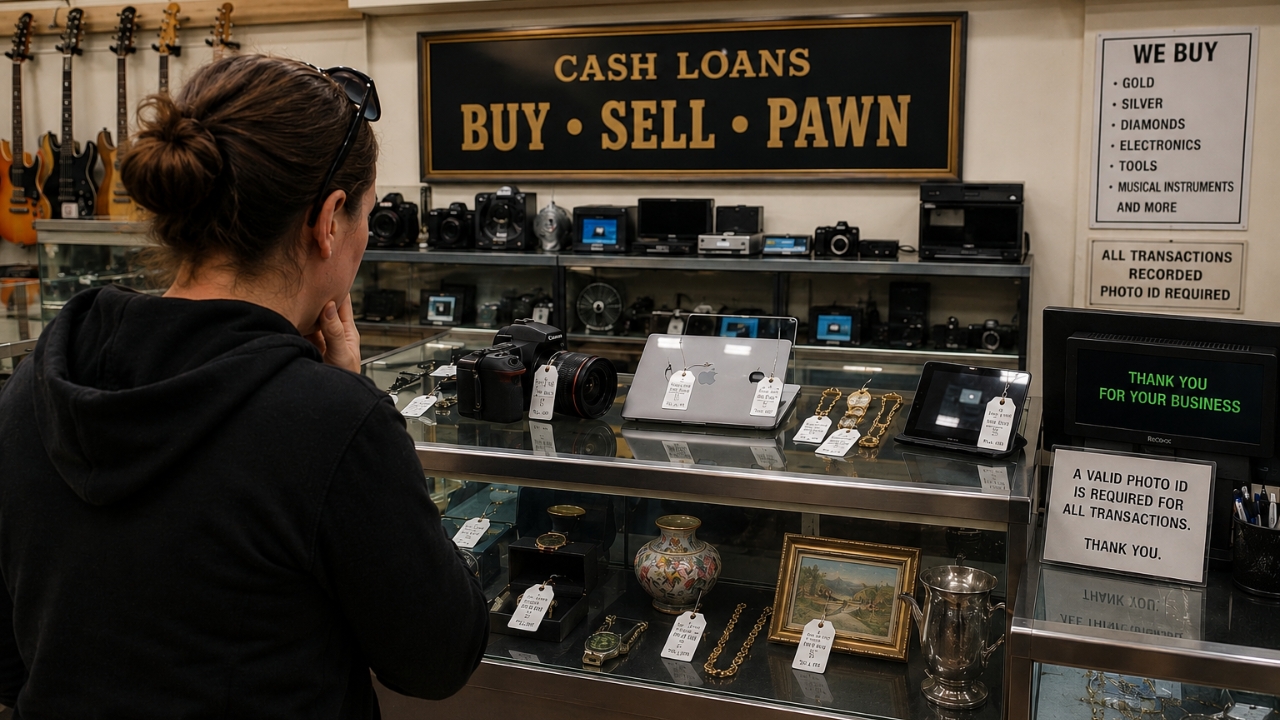
Photo credit: Thrivegirly
A homeowner says their house was broken into, their belongings were stolen, and within a day, some of those items appeared in a pawn shop.
That might sound like the lucky break every theft victim hopes for. The stolen property was not gone forever. It had not vanished into some unknown resale chain. It was sitting in a business where it could be identified.
But finding the items was not the same as getting them back.
The homeowner explained in a Reddit post that the break-in happened less than 24 hours before they located the stolen items at a pawn shop. The timing mattered because it suggested the stolen property had been moved quickly — possibly pawned almost immediately after the burglary.
For anyone who has been robbed, that part feels infuriating. Someone enters your home, takes your things, and before you have even had time to fully process the violation, those belongings are already being turned into cash.
A home break-in is not only about the dollar value of what was taken. It is the knowledge that someone crossed into your private space, touched your belongings, chose what they wanted, and left you to clean up the mess. Even if the items are recovered, the sense of safety can take a long time to come back.
So when the homeowner found their items at the pawn shop, they understandably wanted them returned.
But pawn shops operate under rules, paperwork, and law enforcement procedures. They do not usually just hand property over because someone walks in and says, “That’s mine.” Even when the person is telling the truth, the shop may need police confirmation, a case number, proof of ownership, or a hold process before anything moves.
That can feel outrageous to the victim. The items were stolen. The owner found them. Why should they have to jump through hoops to get back what was theirs?
But from the pawn shop’s side, they may have taken the items in through a transaction and may be required to follow legal procedures. If they hand items to the wrong person, they could create another legal problem. So the victim is stuck needing the system to move.
That was the frustrating part of the Reddit post.
The homeowner had already done the hard part most people never get to do: they found the stolen property. Now they had to figure out the proper next step to actually reclaim it without accidentally damaging the police case or giving the pawn shop a reason to resist.
The basic path commenters pointed toward was clear: contact police immediately, provide the report number, identify the stolen items, show proof of ownership if possible, and let law enforcement handle the pawn shop recovery process.
Proof mattered. Receipts, serial numbers, photos, warranty registrations, bank statements, old images of the items inside the home — anything tying the property to the homeowner could help.
That is one of the hardest parts after a burglary. Most people do not have perfect records of everything they own until after something is stolen. They may have photos of a living room where an item appears in the background. They may have old emails from online purchases. They may have a credit card charge but no serial number. They may know the item is theirs by a scratch, sticker, engraving, or detail nobody else would know.
All of that can matter.
The homeowner’s discovery also raised another question: who pawned the items?
Pawn shops usually collect identifying information from sellers. If the stolen property had been pawned quickly after the break-in, there may have been a name, ID, signature, video footage, or transaction record tied to the person who brought it in.
That could help police trace the burglary or at least the person who moved the stolen goods.
But again, the homeowner likely could not simply demand that information directly. Police would need to request or collect it through the proper process.
The post did not read like a simple “found my stuff, problem solved” moment. It showed the messy middle after a crime, where the victim can see the finish line but still has to wait for procedures, paperwork, and people with authority to do their part.
That delay can feel almost as maddening as the theft.
The items are right there.
They belong to you.
And yet, because someone else stole them, you now have to prove your own ownership to get them back.
Commenters mostly told the homeowner not to try to handle the pawn shop alone. Many said the first move should be contacting police, giving them the burglary report number, and telling them exactly where the stolen items were found.
Several people said the homeowner should not buy the items back unless police or legal counsel specifically advised it. Commenters warned that paying for stolen property could complicate the situation and reward the chain that moved the goods.
A lot of commenters focused on proof of ownership. They suggested gathering receipts, serial numbers, photos, credit card records, warranty information, and any identifying details that could show the items belonged to the homeowner.
Others noted that pawn shops often keep seller records, which could help identify who brought the stolen property in. Commenters said police should be the ones to request that information and place a hold on the items.
The strongest practical advice was simple: document everything, move fast, and let police handle the recovery. Finding stolen items at a pawn shop is a big break, but getting them back usually requires the paper trail to be airtight.