7 facts about daily life in Bible times that explain a lot
One reason the Bible can feel confusing sometimes is that most of us are reading it from a completely different kind of world. We are used to privacy, convenience, grocery stores, bank cards, cars, and modern schedules. The people in the Bible lived in a world shaped by farming, family ties, survival, public reputation, and a whole lot less comfort and control than most modern readers are used to. Once you understand a little more about everyday life in Bible times, a lot of passages stop feeling random and start making a lot more sense.
That is why details like bread, livestock, weddings, hospitality, and debt matter so much in Scripture. They were not just background scenery. They were part of normal daily life. And when you understand what daily life actually looked like, the Bible often starts feeling more real, not less. These are seven facts about daily life in Bible times that explain a lot.
1. Most people lived close to survival
A lot of people in the Bible were not living with much margin. They were farmers, shepherds, fishermen, craftsmen, widows, laborers, and families whose lives depended heavily on weather, harvests, animals, and whether food would keep coming in. A bad season could hit hard. A drought mattered. A failed crop mattered. Losing livestock mattered. Owing money mattered. Daily life was a lot more fragile than many of us are used to.
That changes how you read so many passages. When people pray for daily bread, that is not poetic filler. It is deeply practical. When famine shows up in the Bible, it is not a side issue. It is a real threat to survival. When Jesus talks about anxiety over food and clothing, He is speaking into a world where those concerns were not exaggerated. People really did live much closer to the edge.
2. Bread was basic, not extra
Bread shows up constantly in the Bible because it was one of the most basic foods people ate. It was not the optional part of a meal. It was central. For many people, bread would have been part of everyday eating in a way that is hard for modern readers to fully picture. That is one reason it carries so much weight in Scripture.
Once you know that, a lot of passages land differently. “Give us this day our daily bread” sounds more immediate. Jesus feeding crowds with bread feels more personal. The Lord calling Himself the bread of life carries even more force. Bread was tied to life, provision, hospitality, and dependence on God. It was ordinary, but it was never unimportant.
3. Family shaped identity more than personal independence did
People in Bible times did not usually think of themselves first as totally independent individuals. Family and household mattered a lot. A person’s identity, protection, future, inheritance, and social place were deeply tied to family connections. That is one reason genealogies matter so much in Scripture. They are not random lists. They tell you where someone belongs.
This also helps explain why family conflict, marriage arrangements, firstborn rights, inheritance issues, and loyalty to household relationships show up all over the Bible. It also makes Jesus’ calls to follow Him feel sharper. When He tells people to leave things behind or places loyalty to Him above family, that is not a small statement in that world. It is deeply disruptive and deeply serious.
4. Hospitality was a huge deal
In Bible times, hospitality was not just being friendly or having people over because you felt like it. It mattered because travel could be difficult, dangerous, and uncertain. Homes were places of shelter, food, welcome, and protection. Receiving someone into your home or at your table meant something.
That helps explain why meals matter so much in the Bible. Eating together was not casual in the way it often feels now. It carried meaning. So when Jesus eats with sinners, that is not a throwaway detail. When Abraham welcomes strangers, that matters. When the New Testament tells believers to practice hospitality, it is not just suggesting good manners. It is pointing to something much deeper about love, generosity, and shared life.
5. Honor and shame affected everyday life
A lot of people in the Bible lived in cultures where public reputation mattered a great deal. Honor and shame were not just private feelings. They affected how people were seen by others, how families were viewed, and how social relationships worked. That meant public embarrassment, rejection, praise, or disgrace carried real weight.
This helps explain a lot in Scripture. Why public rebukes sting so much. Why the cross was not only painful but humiliating. Why seating at feasts mattered. Why certain people are so concerned with appearances. Why Jesus honoring the overlooked and exposing the proud hit so hard. Once you understand that honor and shame were woven into ordinary life, many stories in the Gospels and beyond start reading differently.
6. Farming, animals, and the land were part of normal life
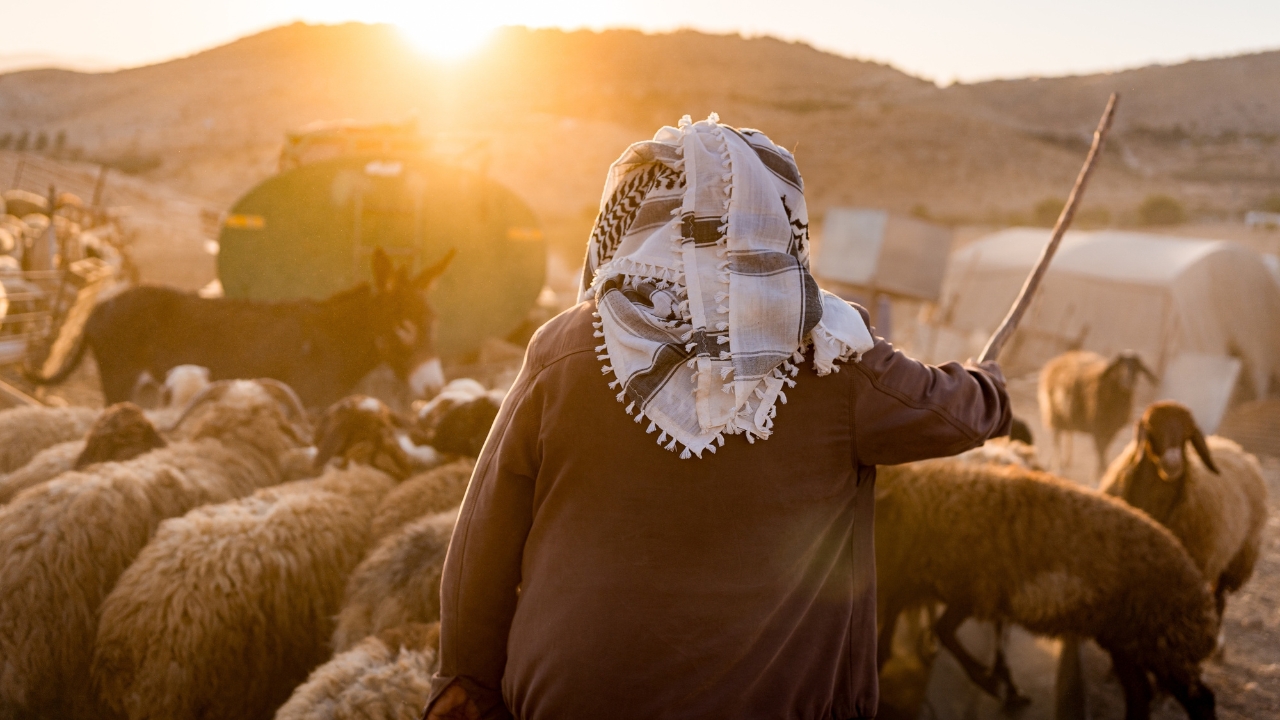
So much of the Bible uses images from farming and shepherding because that was ordinary life for a lot of people. Seeds, fields, flocks, vineyards, olive trees, grain, drought, rain, harvests, and weeds were not decorative images pulled out of thin air. They were familiar realities. People understood them because they saw them.
That means when Scripture talks about sowing and reaping, sheep and shepherds, branches and vines, or harvest and famine, it is speaking the language of everyday experience. For modern readers who are more removed from agriculture, that imagery can feel more distant than it would have felt to the first hearers. But in Bible times, these pictures would have landed naturally and immediately.
7. Religious life was woven into ordinary life
Modern people often separate everyday life from religious life more than people in the Bible did. In the biblical world, worship, law, feasts, sacrifice, purity, and devotion to God were not neatly boxed into one little corner of life. They were tied into ordinary routines, public identity, family life, and community expectations.
That helps explain why things like Sabbath, food laws, temple worship, feast days, and questions of cleanliness matter so much in Scripture. These were not minor religious side topics. They were part of how people lived before God together. That is one reason Jesus’ teaching and actions stirred such strong responses. He was speaking into the very framework of everyday life, not just offering a few private spiritual tips.