
10 Things You Should Absolutely Never Clean With Rubbing Alcohol
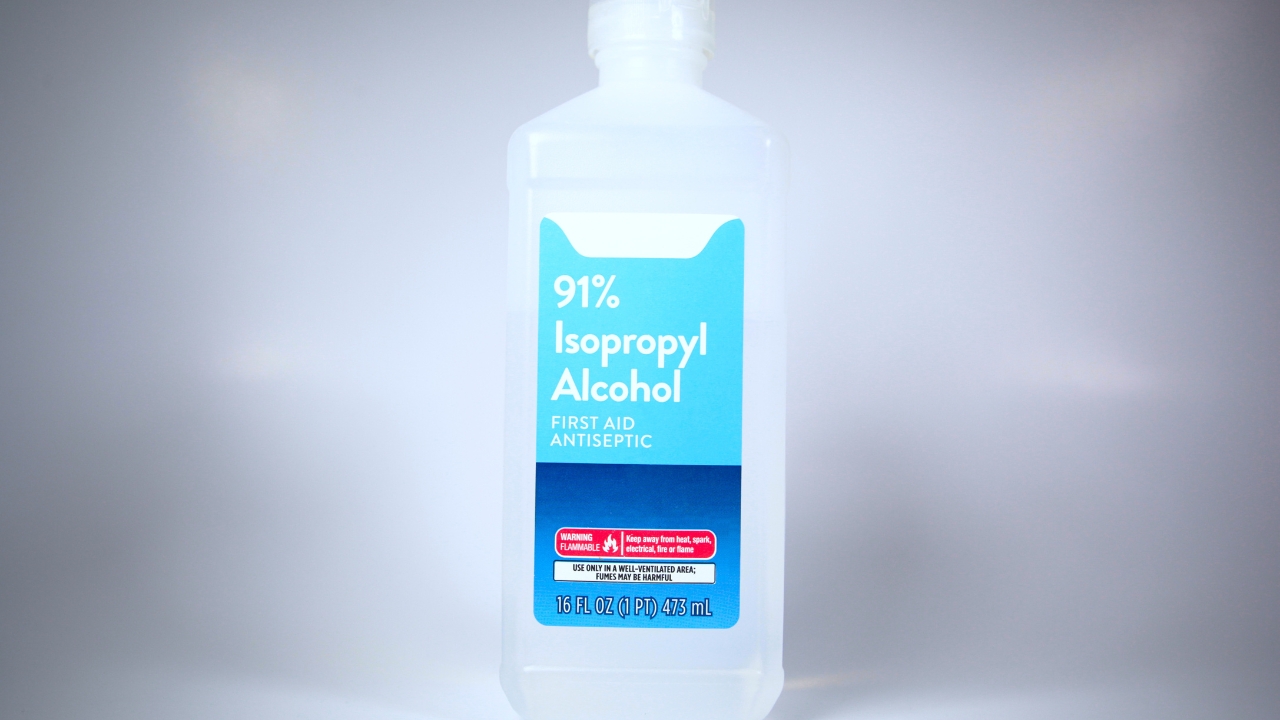
Image Credit: John Hanson Pye/ Shutterstock.
Rubbing alcohol is one of those go-to cleaning supplies I always keep on hand. It’s cheap, easy to grab at the store, and feels like a magic fix for so many messes. But over the years, I’ve learned that it’s not as harmless as it seems. I’ve definitely had a few “oops” moments where I tried to clean something with rubbing alcohol, only to realize later that I’d done more damage than good.
As a mom constantly juggling cleaning, organizing, and keeping the chaos under control, I know how tempting it is to grab the quickest solution. But trust me, there are some things you just shouldn’t touch with rubbing alcohol. Let me save you the headaches I’ve had and share what to avoid—and what to use instead.
Clear Acrylic Containers
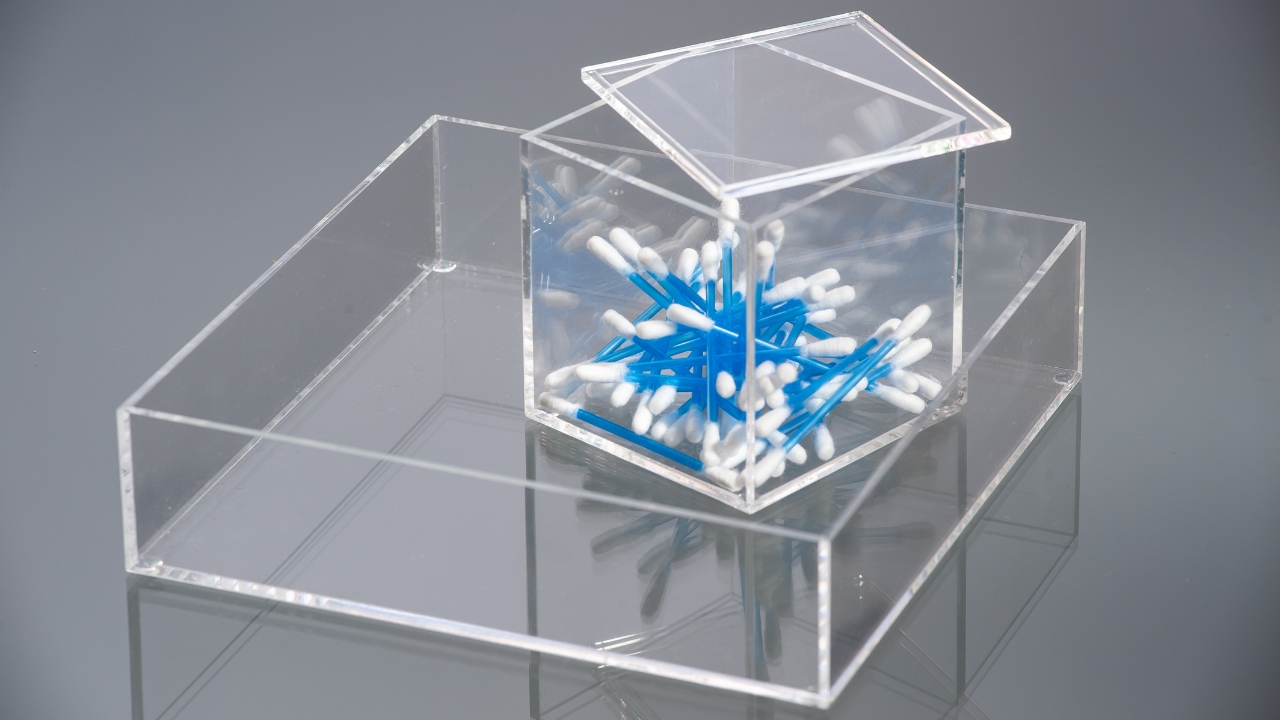
Acrylic organizers might look sleek and sturdy, but rubbing alcohol is not their friend. It can leave them cloudy, discolored, or even cracked over time. Once the plastic starts breaking down, it becomes a breeding ground for bacteria—especially if you’re using them in the fridge to hold produce.
Stick with a soft microfiber cloth and some soapy water to clean these containers. Avoid anything abrasive and definitely skip the dishwasher, since high heat can warp the plastic.
Flammable Surfaces
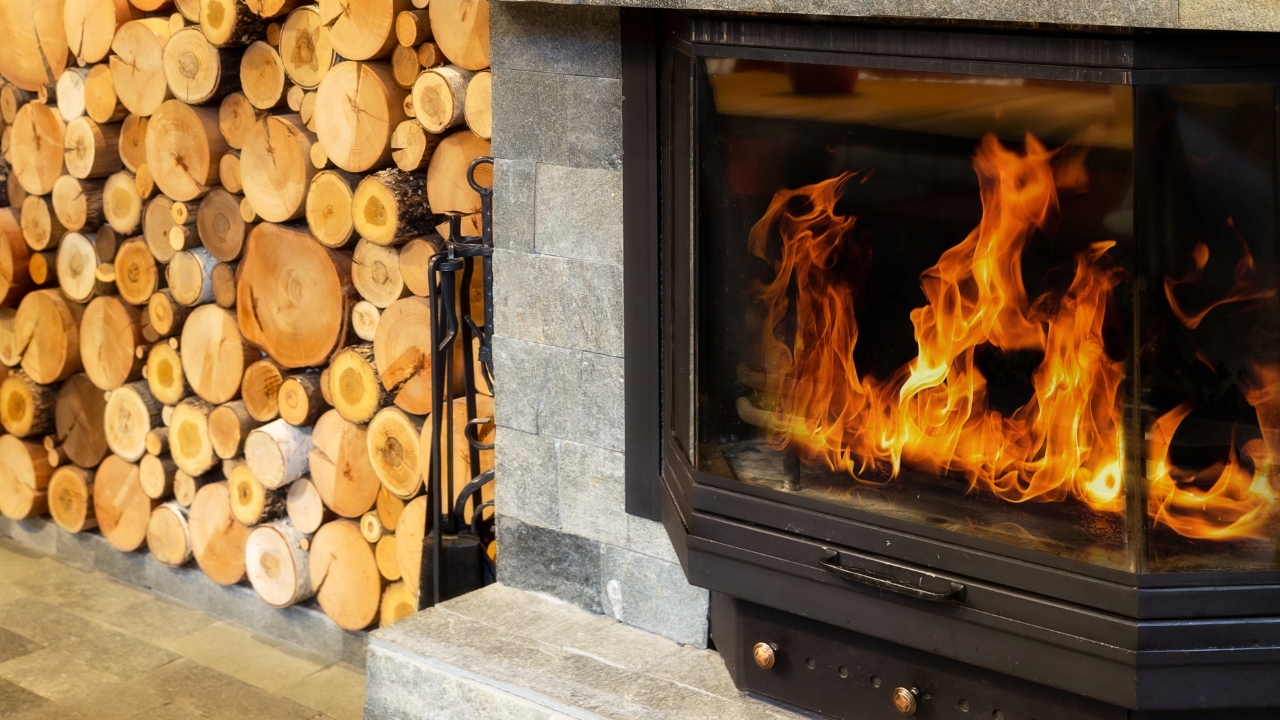
Rubbing alcohol is highly flammable, so cleaning anything near flames or heat with it is a disaster waiting to happen. Gas stovetops, fireplaces, and even grills are no-go zones. Using alcohol on hot surfaces—even when they’ve cooled—can create unsafe fumes or a lingering fire risk.
Instead, use an all-purpose cleaner for indoor surfaces and soapy water with a sturdy scrubber for outdoor grills. Just make sure everything is completely cool before you start scrubbing.
Rubber
Rubber might seem tough, but frequent exposure to rubbing alcohol can break it down, leaving it brittle and prone to cracks. Sure, it’s fine for tackling stubborn stains occasionally, but for regular cleaning, alcohol-free solutions are the way to go.
For everyday messes, soapy water or a gentle cleaner works wonders. If you’re dealing with car tires or other outdoor rubber items, stick to products designed specifically for those surfaces to keep them in good shape.
Delicate Jewelry
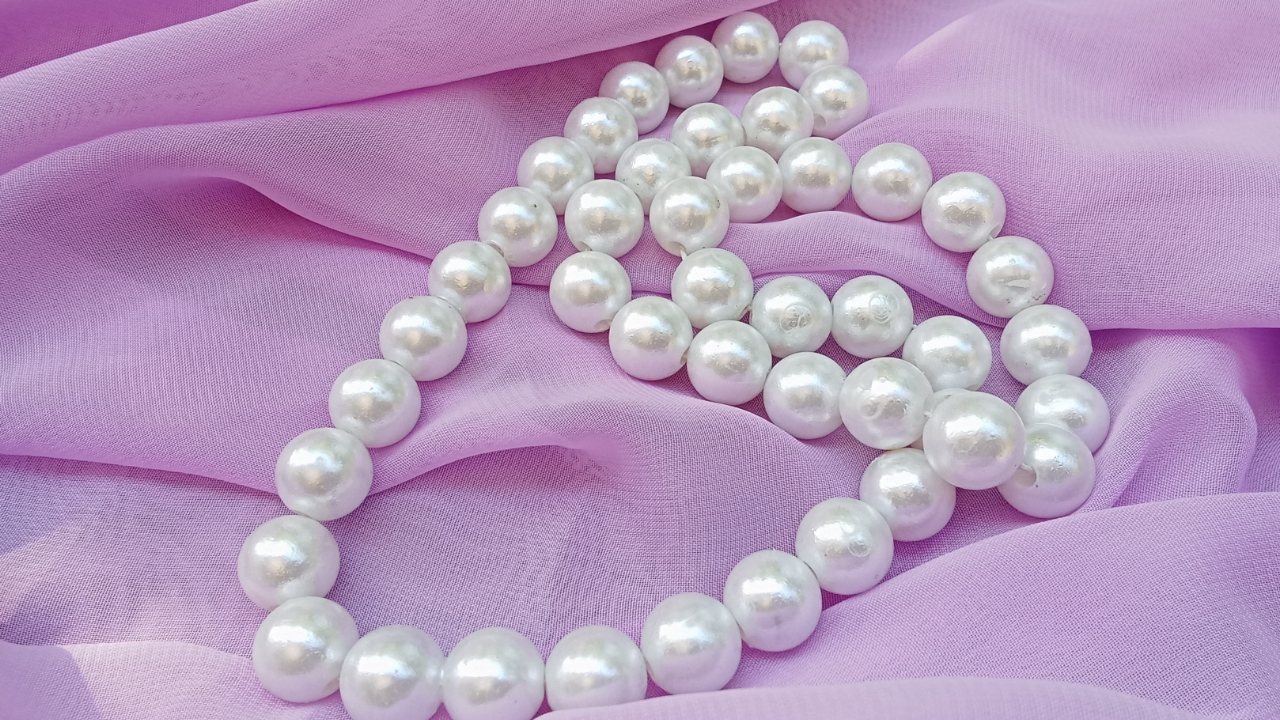
Rubbing alcohol is great for cleaning most jewelry, but delicate pieces like pearls and opals are off-limits. Alcohol can corrode their coatings, leaving them dull and damaged. Costume jewelry can also lose its finish when exposed to alcohol.
To keep your pieces sparkling, use a lint-free cloth for quick touch-ups or wash them with mild detergent and water for a deeper clean. For fragile gems, gentler options like glass cleaner or baking soda are much safer.
Electronics

While rubbing alcohol can be used to sanitize electronics, overdoing it can wear away protective coatings. That means your phone, keyboard, or tablet could end up more vulnerable to scratches or damage.
Save the alcohol for occasional deep cleaning. For regular maintenance, try compressed air, a microfiber cloth, or even a coffee filter.
Leather

Leather might look tough, but trust me, it doesn’t handle rubbing alcohol well. I learned this the hard way when I tried to clean a scuffed leather chair—it stripped the color and made the spot look even worse. Over time, rubbing alcohol can dry out leather and leave it cracked, which isn’t exactly the vibe you want for your favorite couch or jacket.
Instead, grab a leather cleaner or even a damp cloth with a little conditioner.
Stone Counters
If you’ve got granite, marble, or quartz countertops, don’t even think about using rubbing alcohol on them. These gorgeous stones are sealed to stay shiny and stain-free, but alcohol can eat right through that protective layer. I’ve seen the results: dull, blotchy countertops that are almost impossible to fix without professional help.
Stick with a stone-safe cleaner that’s gentle and designed to protect the surface.
Wood
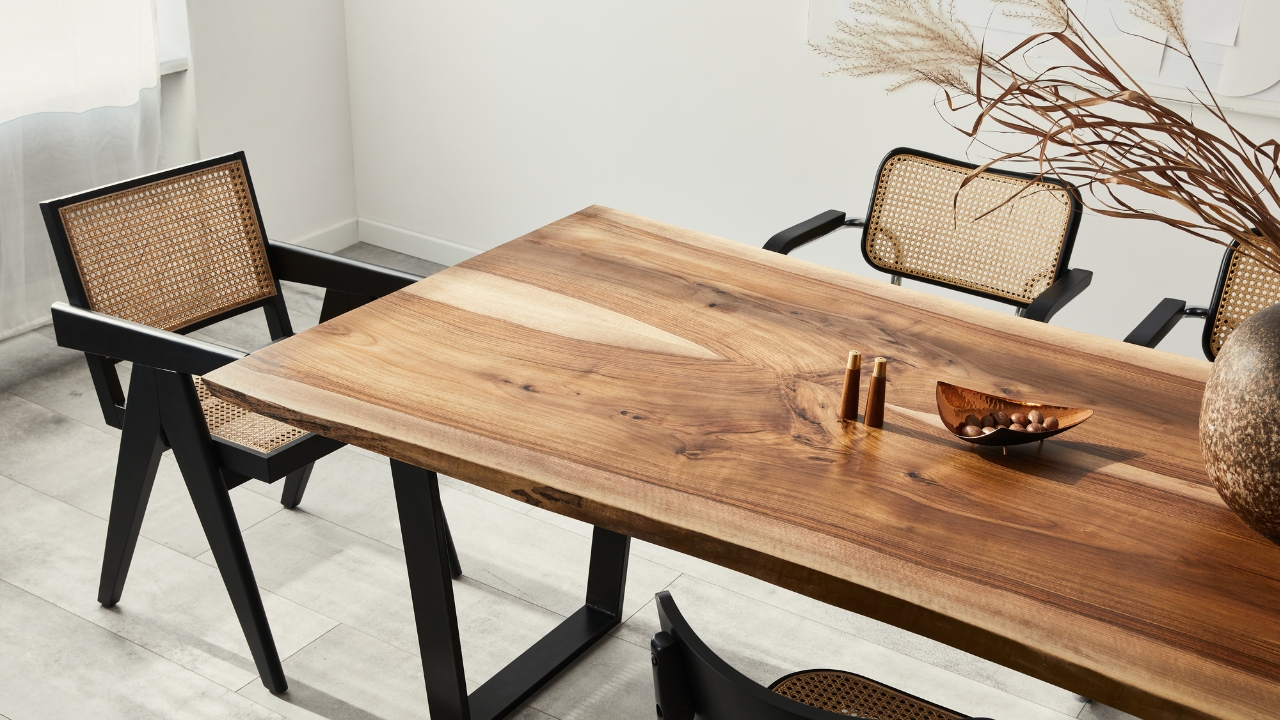
Wood furniture and rubbing alcohol are a recipe for regret. A friend once thought rubbing alcohol would get rid of a water ring on her dining table—spoiler: it didn’t. Instead, it stripped the finish and left a cloudy spot that couldn’t be buffed out.
Soap and water are all you need for wood. Just be sure to dry it quickly to avoid more water rings, and maybe give it a quick polish afterward for a little shine.
Painted Surfaces

If you’ve got little fingerprints or smudges on painted walls, rubbing alcohol isn’t your quick fix. It’s way too harsh and can peel off the paint before you even realize what’s happening. I learned this when trying to clean up my toddler’s crayon art—let’s just say the wall ended up looking worse than before.
A soft sponge with soapy water works much better. Plus, it’s gentle enough to avoid any accidental “art erasure” disasters.
Fabrics
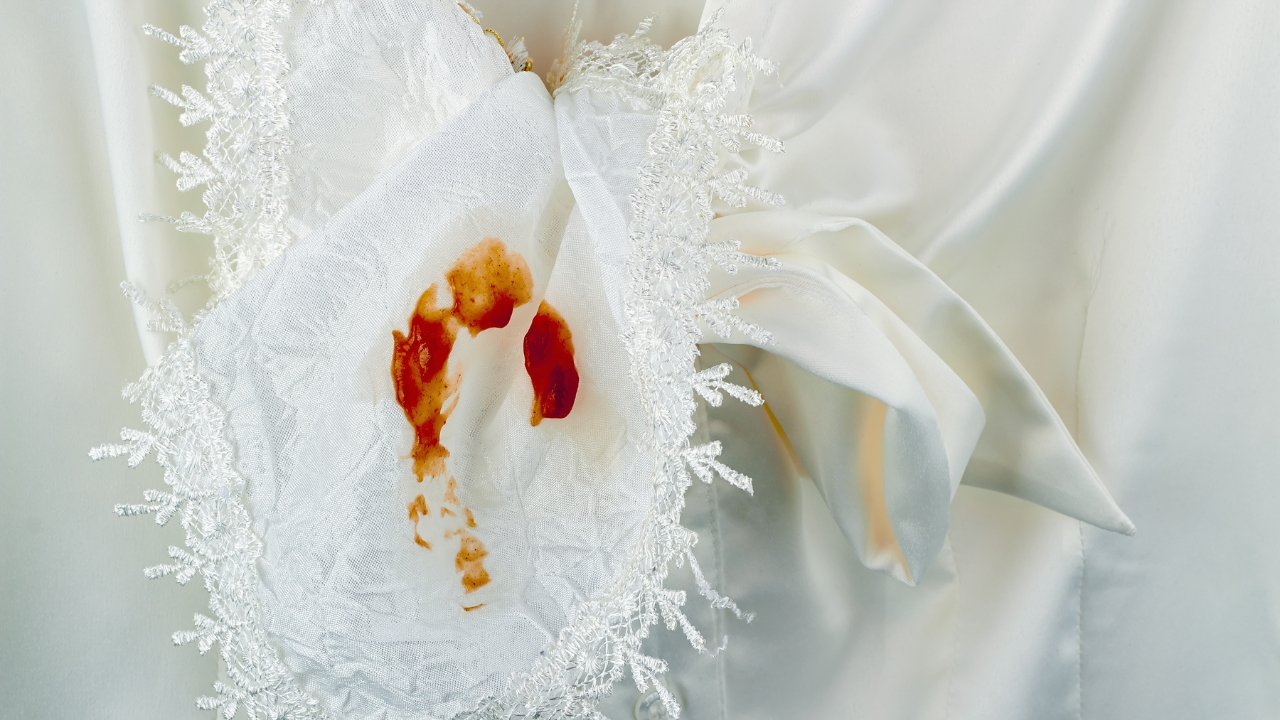
Rubbing alcohol and delicate fabrics do not mix. I made the mistake of dabbing some on a silk blouse once, thinking it would lift a stain. Instead, it left a weird, faded patch that ruined the whole look.
Stick to hand washing with a mild detergent for delicate clothing or call in the pros for upholstery. It’s one of those “better safe than sorry” moments that will save you a lot of heartache.


