10 Things I’ve Learned Should Never Be Cleaned With Soap
Keeping a clean house with boys around feels like an Olympic sport most days. Between sticky fingers, mystery stains, and the constant parade of crumbs, it’s tempting to grab the soap and scrub everything in sight. But here’s the thing—not everything benefits from a soapy scrub-down. In fact, using soap on certain items can do more harm than good, leaving you with more to fix or clean later.
After plenty of trial and error (and some near disasters), I’ve learned there are a few things that just shouldn’t meet a sudsy sponge.
Paint
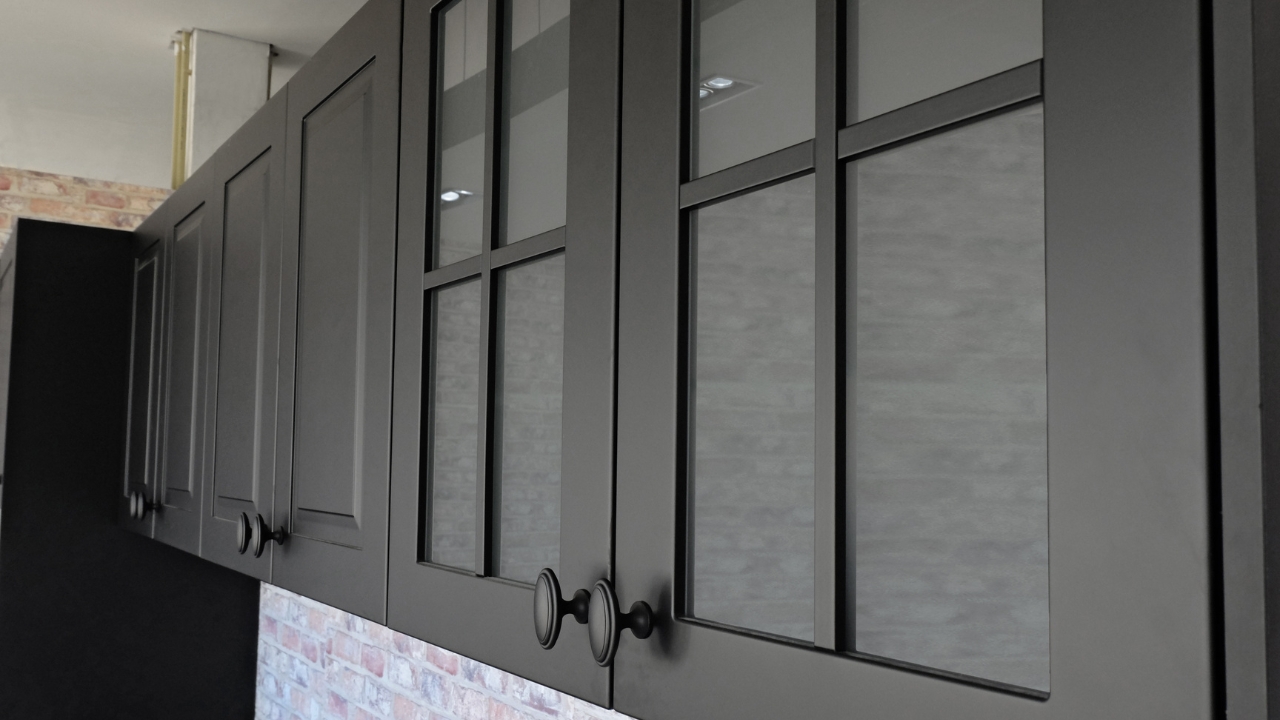
Matte-painted walls look chic, but soap can turn them into a streaky mess. Soap tends to leave residue behind, ruining the smooth finish you worked so hard to keep pristine. Trust me, I’ve learned the hard way that “cleaner” doesn’t always mean “better” when it comes to walls.
Instead, stick to a slightly damp sponge to gently clean flat-painted surfaces. For tougher spots, try a bit of warm water with just a splash of vinegar. Your walls will stay spotless without losing their fresh, clean look.
Dishwasher
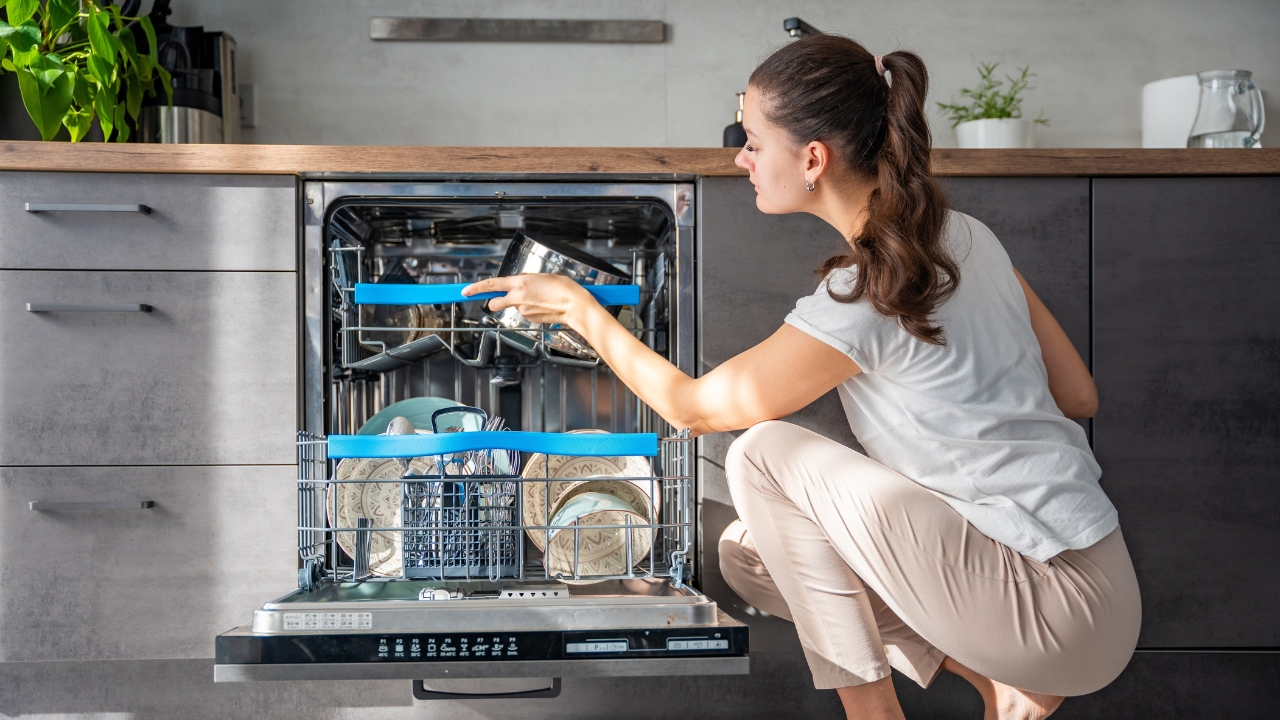
Using soap in your dishwasher might sound harmless, but it can lead to a full-blown disaster. Soap suds build up quickly and can spill out of the dishwasher, turning your kitchen into a foam party no one asked for. On top of that, the mess can damage your floors and even your appliance if left too long.
If you’re out of dishwasher detergent, skip the soap and hand-wash your dishes instead. To clean the dishwasher itself, opt for a cycle with vinegar or a specialized dishwasher cleaner.
Mirrors and Glass
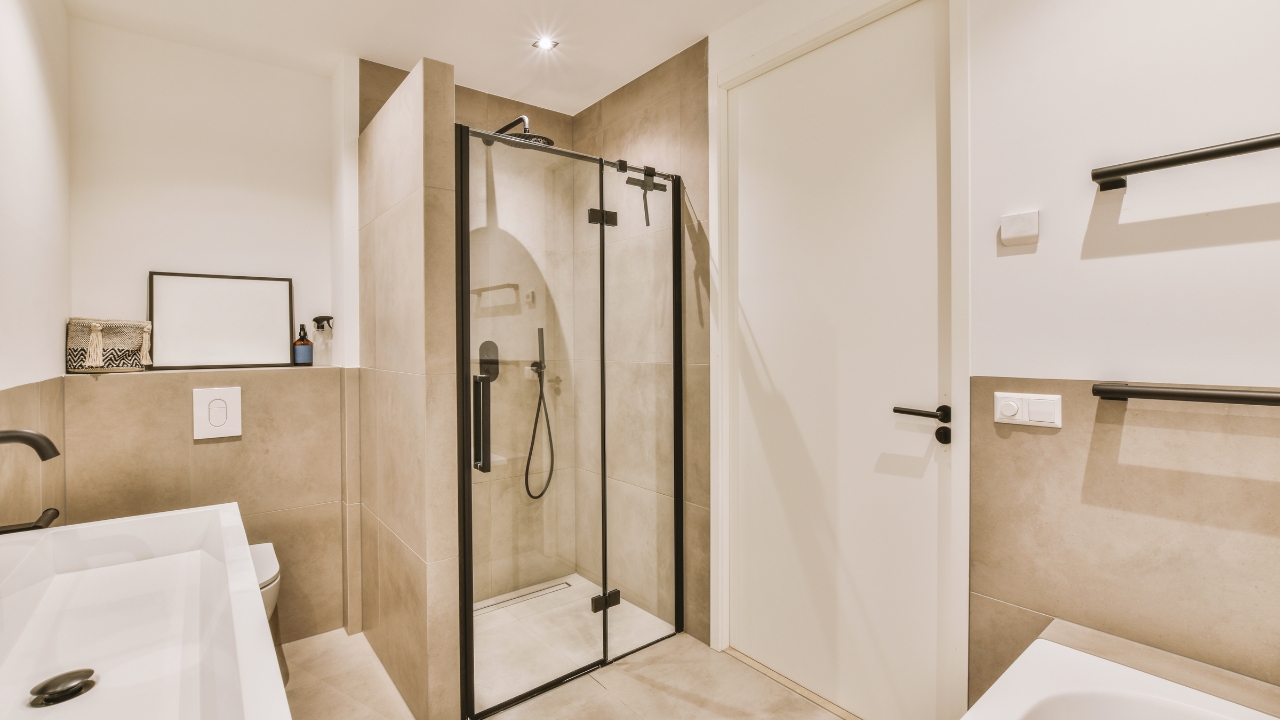
While soap is sometimes included in DIY glass cleaners, it’s not always the best idea. Too much soap leaves streaks, and if you’re dealing with soap scum on shower doors, adding more soap can make things worse. Been there, scrubbed that.
Instead, use one part vinegar mixed with four parts water for a streak-free shine. For mirrors, try equal parts rubbing alcohol, vinegar, and water—it clears smudges without the hassle of wiping endlessly.
Bonus: It works great on windows too, and it’s way easier to handle when life is already messy enough.
Leather
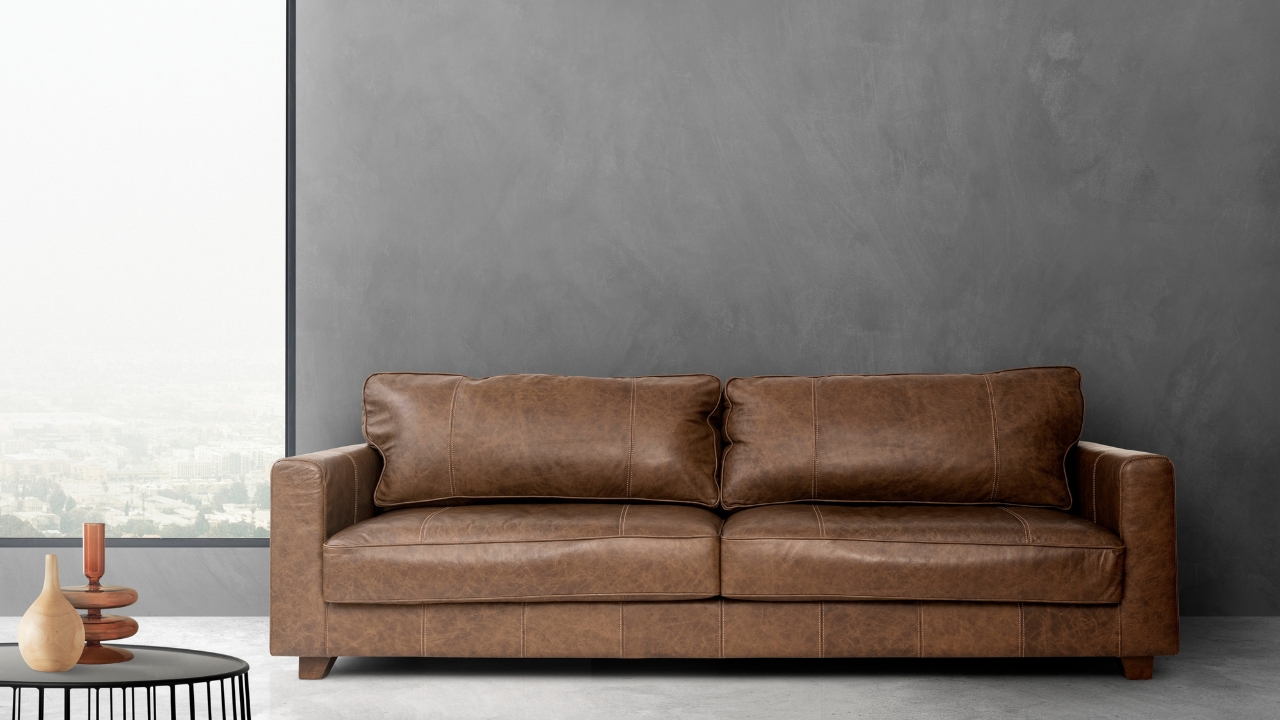
Soap and leather just don’t get along. Much like wood, leather contains natural oils that soap strips away, leaving it brittle and prone to cracks. I learned this with my leather couch after a minor juice box spill—soap made it worse, not better.
Stick to blotting minor stains with a damp cloth or sprinkling baking soda on grease spots. For bigger messes, use a cleaner made for leather, like saddle soap. It keeps your leather looking and feeling great without risking long-term damage.
Knives
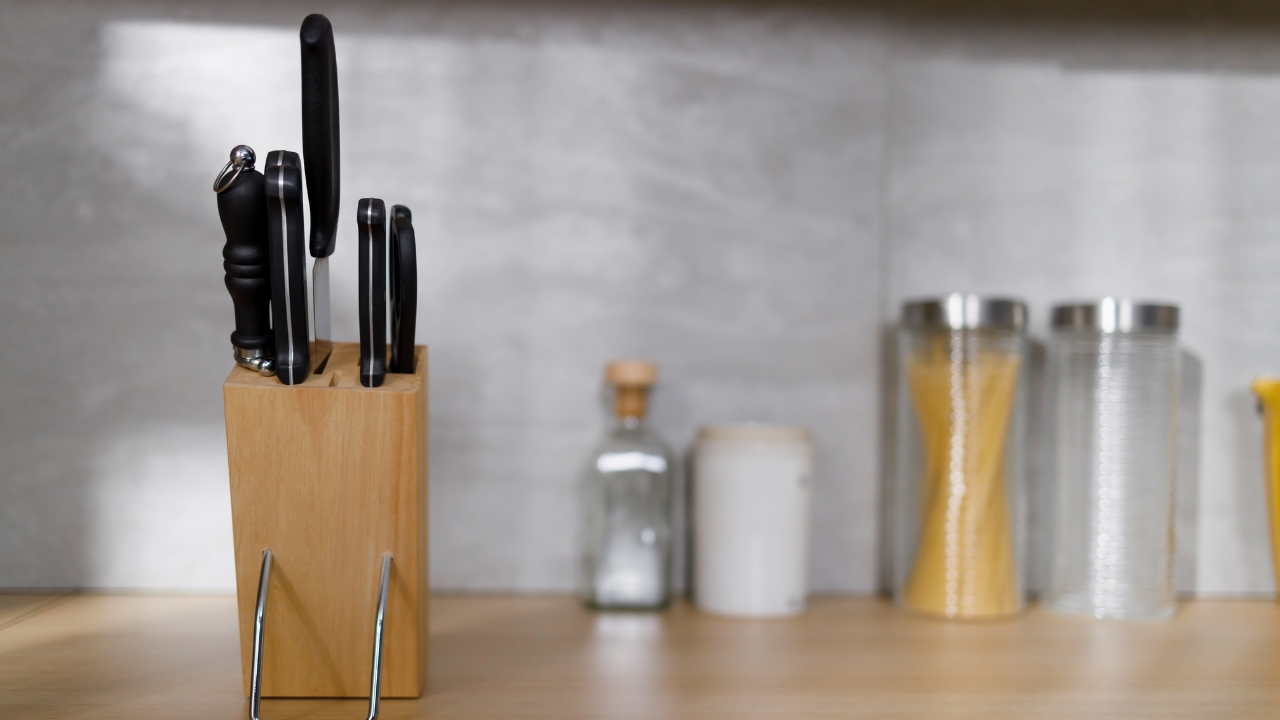
Knives are a kitchen essential, but soap is not their friend. Constant exposure to soap and water can corrode and dull the blades, making your trusty knives way less effective. Trust me, there’s nothing more frustrating than a dull knife when you’re trying to slice up dinner quickly.
To keep them sharp and clean, wipe them down carefully with a damp cloth, then dry them immediately. Drying is key—moisture is what starts the damage.
Hardwood Floors
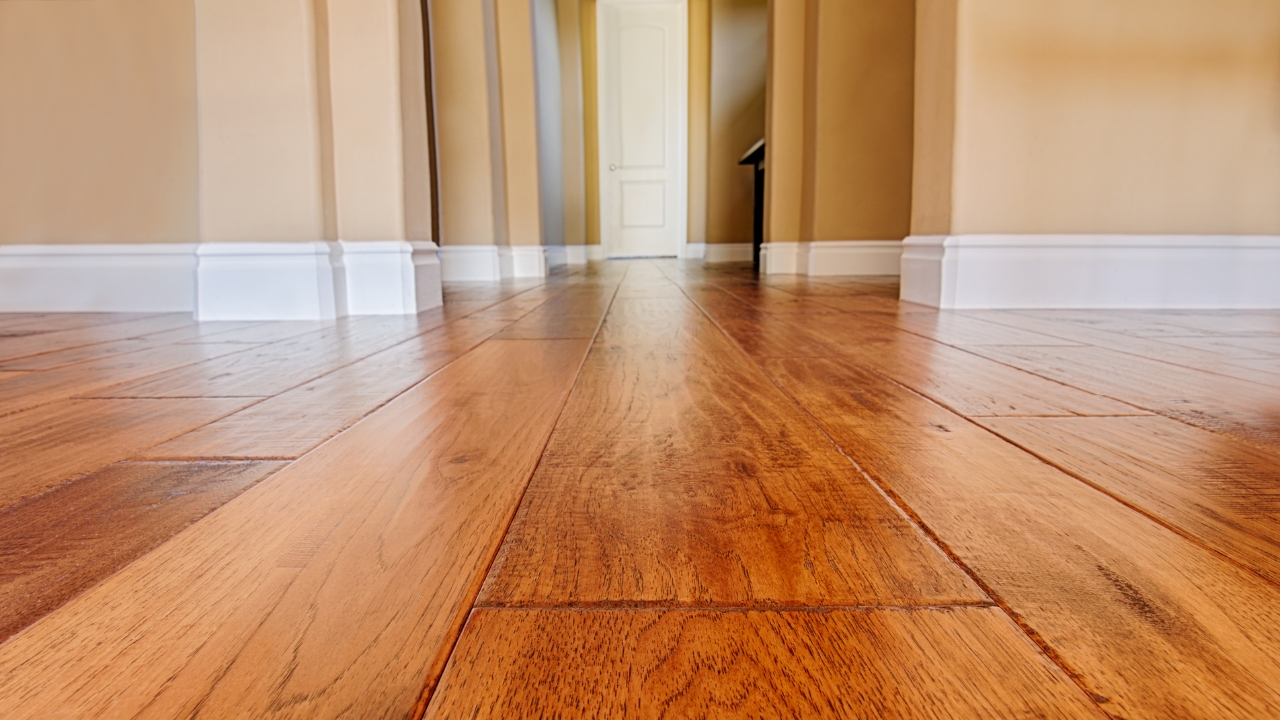
Hardwood floors might seem tough, but dish soap can really mess them up. It strips away the oils that keep the wood looking beautiful and protected, leaving the surface vulnerable to scratches and damage. Been there, regretted that—especially with kids constantly running around.
Instead, stick with a cleaner made for hardwood floors or a DIY mix of water and a splash of vinegar or lemon juice. It’s gentle and gets the job done without ruining the finish. Bonus: it keeps your floors looking like you actually have your life together (even when you don’t).
Coffee Machine

Ever had coffee that tasted a little…off? Soap might be the culprit. Coffee machines have all these little nooks and crannies, and getting every bit of soap residue out is nearly impossible. Leftover suds can mess with the flavor and even cause bubbling in your water during brewing.
Stick with a vinegar-water solution instead. It dissolves those stubborn mineral deposits and leaves your machine spotless, without the soapy aftertaste. Plus, it’s one less thing to worry about when your mornings are already chaotic.
Cast Iron Skillet
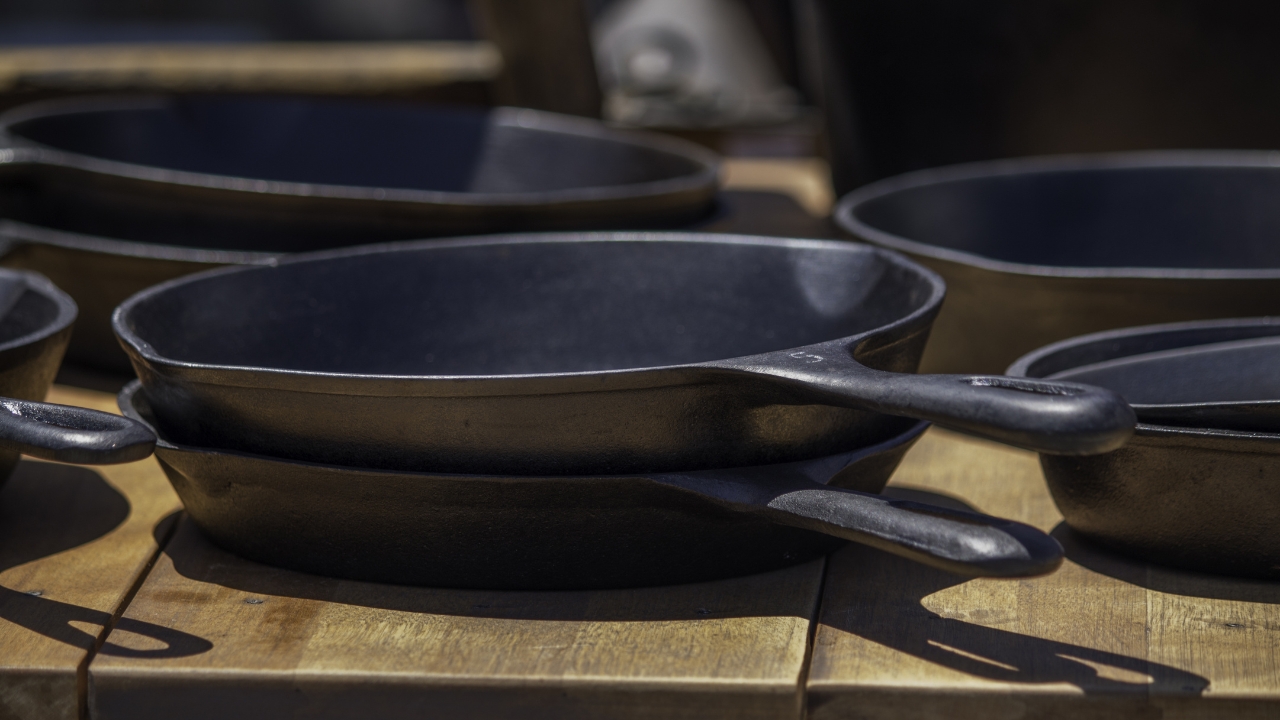
If you’ve ever tried scrubbing a cast iron skillet with soap, you might’ve noticed it suddenly doesn’t cook as well—or maybe it started rusting. That’s because soap strips away the seasoning, which is basically the skillet’s secret weapon. The seasoning is what makes your food slide off like magic and keeps rust away. Lose that, and you’ve got a heavy hunk of frustration.
Instead, grab some Kosher salt, a stiff brush, and hot water. Scrub away the stuck-on bits, then dry it completely (seriously, don’t skip this step). A light coat of oil will keep it ready for your next meal.
Stainless Steel
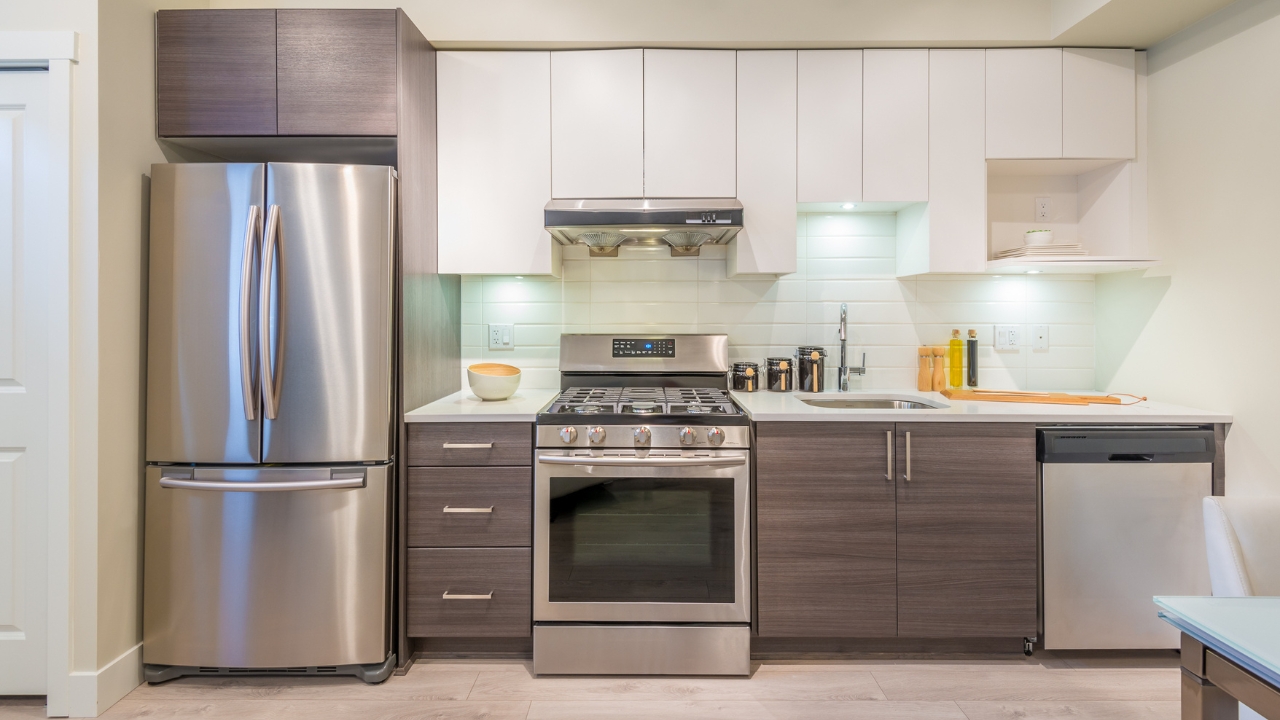
Stainless steel is supposed to look sleek and shiny, but soap can quietly ruin that over time. I learned this the hard way with my fridge door. Soap leaves behind a sneaky residue that dulls the surface, and if you’ve got a bunch of little fingerprints from kids (or yourself), soap just smears them around.
Stick to a damp microfiber cloth or even a bit of vinegar to tackle streaks. It’s way quicker, and your appliances won’t end up looking tired and worn.
Wooden Cutting Boards
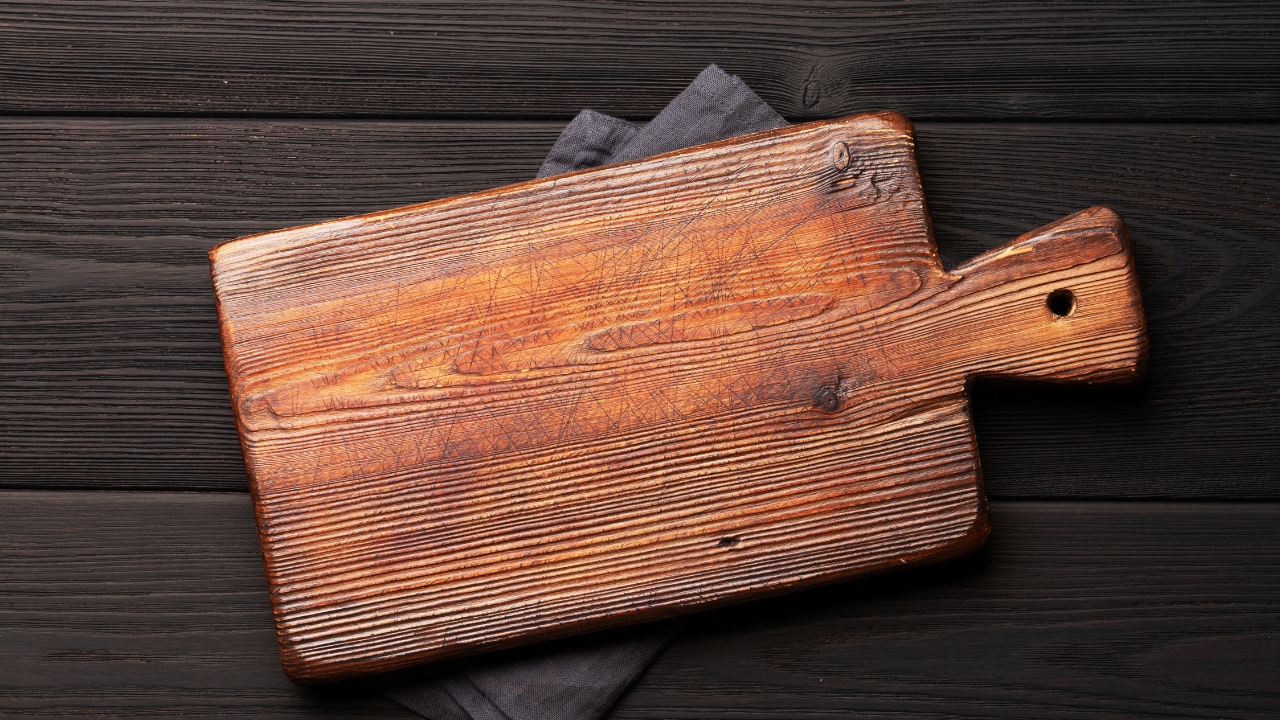
Wood cutting boards are my go-to for everything, but throwing them in the sink with soapy water? Been there, ruined that. Soap and water can sneak into the wood and cause cracks, which means you’re not just dealing with a split board—you’re inviting bacteria to move in.
Instead, wipe it down with a mix of vinegar and water after chopping. For tougher messes, sprinkle on some salt, grab half a lemon, and scrub away. It smells fresh, and your board will stay smooth and solid for years.