
10 Most Dangerous Things That Were Hiding In My Kitchen -They’re Probably In Yours Too

Image Credit: Drazen Zigic/ Shutterstock.
The kitchen is the heart of my home—where I whip up meals, referee snack-time chaos, and catch up with my husband while washing dishes. But for all the love and energy I pour into this space, I’ve realized it’s also a bit of a hazard zone. There are hidden dangers lurking in plain sight, and they’re not just about a messy countertop or a dropped knife.
Some of these risks caught me completely off guard, and as a mom and a wife, that’s not a gamble I’m willing to take. The good news? A few simple tweaks can make your kitchen safer without turning your routine upside down. Let’s make sure your kitchen isn’t hiding anything that could cause trouble.
Aluminum Foil

Foil dinners are such a lifesaver—minimal effort, even less cleanup. But if you’re cooking something acidic, like tomato sauce or lemony chicken, it’s worth rethinking. Acidic foods can pull aluminum into your meal, and while the jury’s still out, some studies suggest too much aluminum in the body might not be great for your brain or kidneys. Why risk it? Try lining your foil with parchment paper or switching to a glass dish.
Plastic Storage Containers

Plastic storage containers can be convenient, but they come with hidden risks. If they contain BPA or phthalates, these chemicals can leach into your food, especially when exposed to heat. Adding hot leftovers directly to plastic or microwaving in it? Not the best move. Check your containers for “BPA-free” labels, and if they’re showing their age, consider switching to glass. It’s safer, and honestly, they just feel nicer to use.
Sink

It’s tempting to leave dirty dishes in the sink when you’re wiped out, but that pile can quickly become a bacteria buffet. FSIS found that 76% of people don’t sanitize their sink after rinsing raw chicken, and when they do, most don’t do it effectively. Those germs can transfer to other foods, like that innocent salad you’re prepping. A quick scrub with hot, soapy water and a disinfectant goes a long way in keeping your sink—and your meals—safe.
Nonstick Cookware
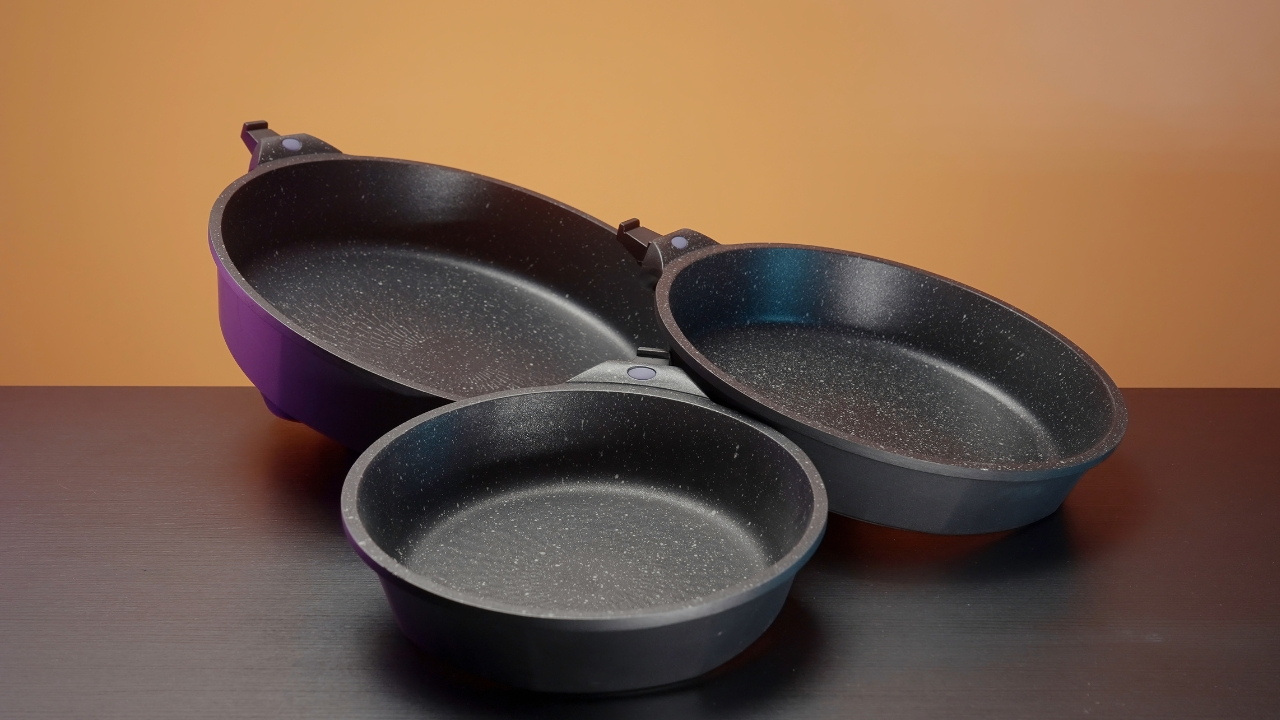
Nonstick pans are lifesavers when it comes to cleanup, but there’s a catch. When heated too high, the PTFE coating (that’s the stuff that keeps your eggs from sticking) can release toxic gases, according to a study in Environmental Science and Pollution Research. Use your nonstick cookware on medium heat or lower, and if the coating starts peeling, it’s time to let that pan go.
Spice Containers
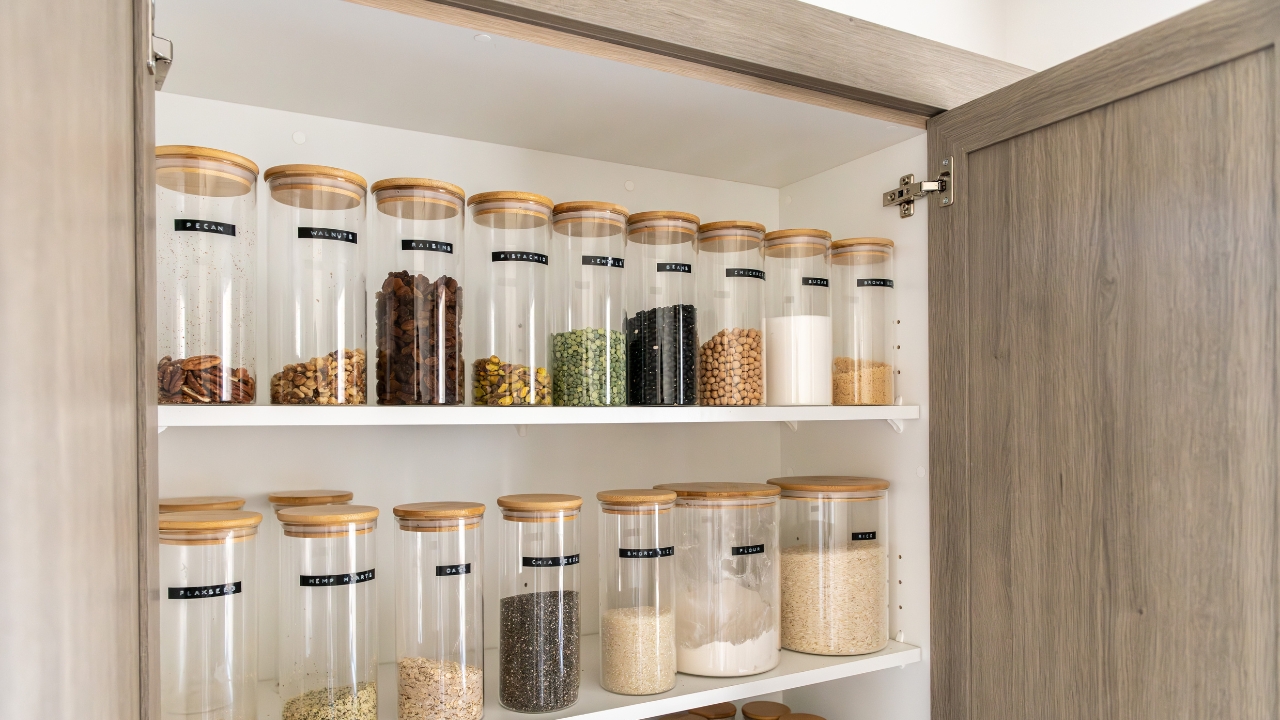
Spice containers are sneaky culprits for spreading bacteria in your kitchen. An FSIS study found that people preparing burgers contaminated spice jars nearly half the time. It’s easy to forget when you’re mid-recipe, hands covered in raw meat juice, and reaching for the paprika. Do yourself a favor: wash your hands before grabbing the spices or give the containers a quick clean afterward. It’s a small step to keep your cooking space safer.
Dull Knives

A dull knife isn’t just annoying—it’s downright dangerous. You end up pressing harder to cut, which makes it way more likely to slip and nick your finger. Keeping your knives sharp isn’t just for pros; it’s a kitchen essential. Invest in a sharpener or get them professionally sharpened once in a while. And if you don’t know proper knife techniques, take a minute to learn!
Plates

It’s easy to make this mistake during a BBQ or quick dinner prep: piling raw meat on a plate, grilling it, and then tossing the cooked meat right back on the same platter. That’s a fast track to spreading bacteria. Always grab a clean plate or wash the one you used for raw food.
Cross-Contamination

Cross-contamination is one of those things you don’t think about until it’s too late. Raw chicken juices on a cutting board, then chopping veggies without washing it? Bam—hello, food poisoning. Keep it simple: separate your raw meats and produce, use different cutting boards, and wash your hands like it’s second nature. It’s one of those habits that doesn’t take much effort but can save you (and your family) a lot of trouble.
Cutting Boards
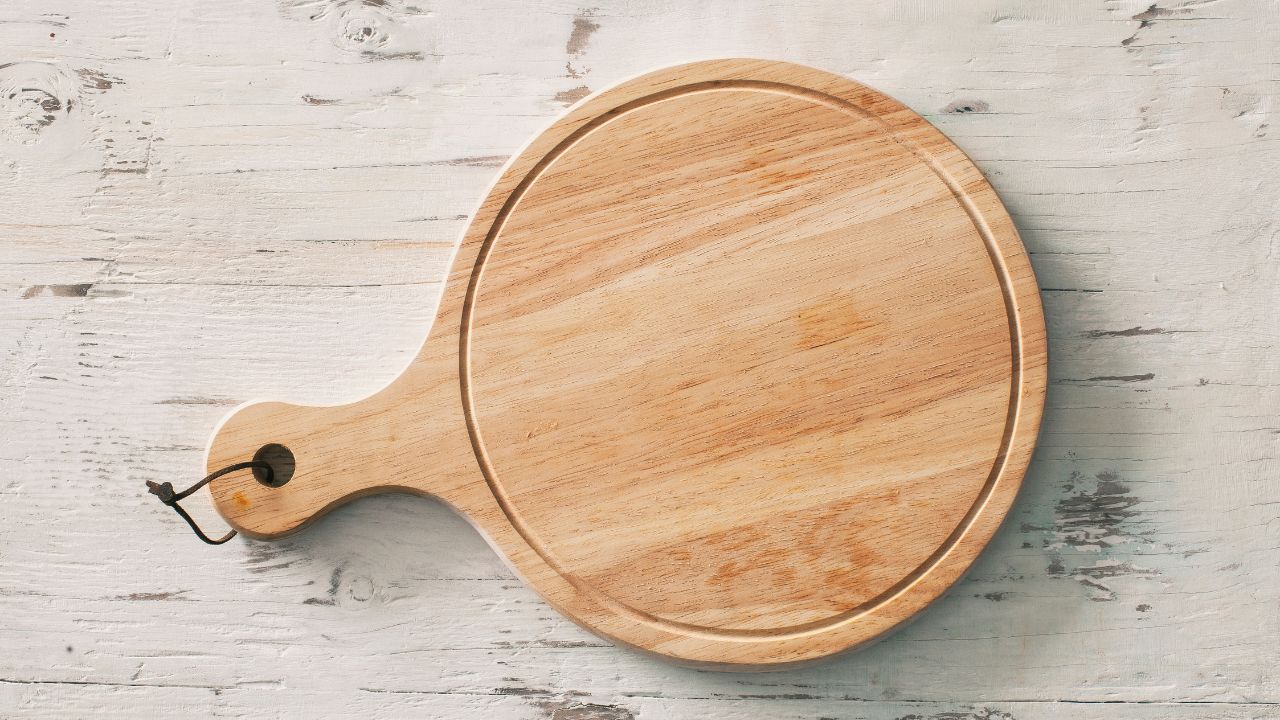
Cutting boards are basically the kitchen’s dirty little secret. You might think a quick rinse gets the job done, but nope—those grooves can trap all kinds of nasty stuff. According to Meredith Carothers from the USDA, you’ve got to wash them with hot, soapy water after every use. Better yet, have a couple of boards—one for raw meat and one for everything else. It’s way less stress than worrying if your salad is sharing space with yesterday’s chicken.
Countertops
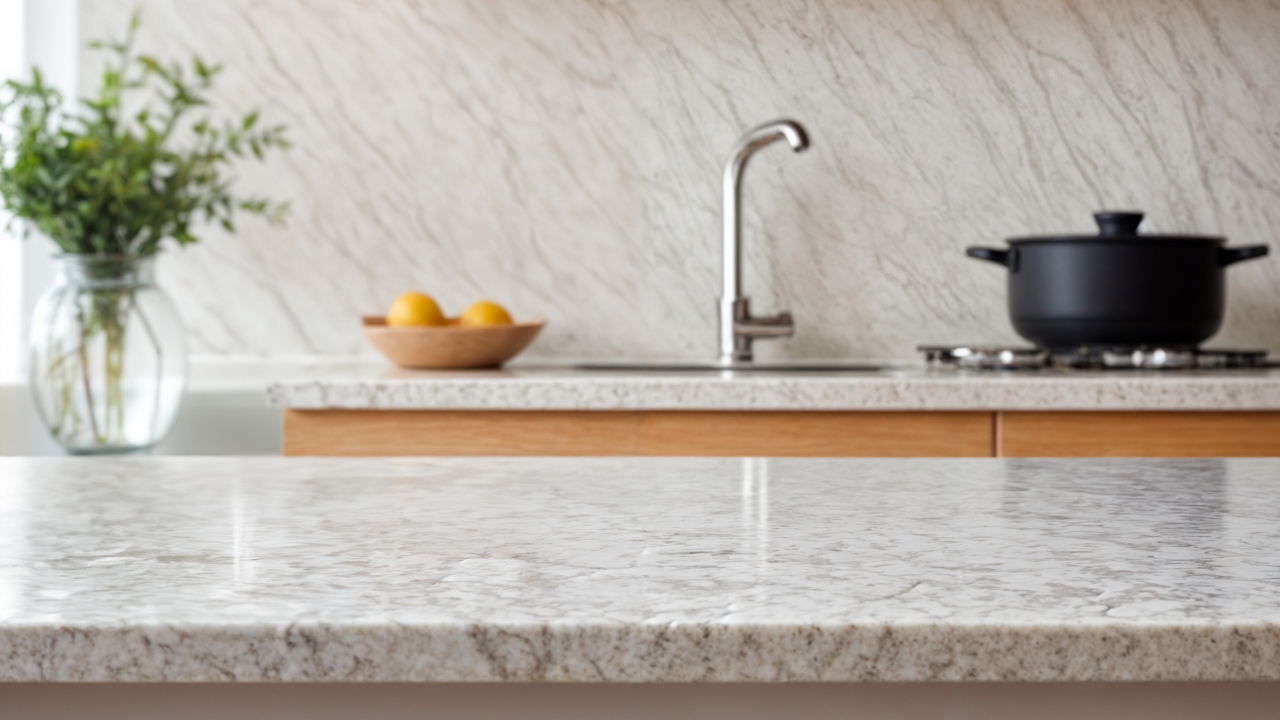
Your countertops might look clean, but let’s be real—how many random things do you toss on them during the day? Grocery bags, backpacks, the mail, your phone… germs galore. Before you start cooking, take a second to really clean those counters. A quick disinfectant wipe or spray will do the trick.


